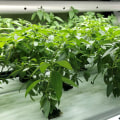
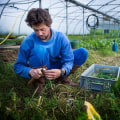
Subsistence farming is a fundamental agricultural practice that has sustained human populations for centuries. At its core, subsistence farming refers to a system where farmers grow enough food to meet the needs of their families, with little or no surplus for sale. This method of agriculture is particularly prevalent in developing regions, where smallholder farmers rely on their crops for daily sustenance. The significance of subsistence farming extends beyond mere food production; it plays a crucial role in maintaining local economies, preserving cultural traditions, and ensuring food security.The importance of subsistence farming cannot be overstated.
In many parts of the world, it serves as the backbone of rural communities, providing not only nourishment but also a sense of identity and belonging. By cultivating a diverse range of crops, subsistence farmers can adapt to changing environmental conditions and mitigate risks associated with climate variability. This adaptability is essential in regions where access to resources such as water and arable land is limited.Moreover, subsistence farming contributes significantly to biodiversity and ecological balance. Farmers often plant a variety of crops, which helps to enrich the soil and promote healthy ecosystems. In many parts of the world, it serves as the backbone of rural communities, providing not only nourishment but also a sense of identity and belonging. By cultivating a diverse range of crops, subsistence farmers can adapt to changing environmental conditions and mitigate risks associated with climate variability. This adaptability is essential in regions where access to resources such as water and arable land is limited.Moreover, subsistence farming contributes significantly to biodiversity and ecological balance. Farmers often plant a variety of crops, which helps to enrich the soil and promote healthy ecosystems.
This diversity not only supports the nutritional needs of families but also enhances resilience against pests and diseases. As we delve deeper into the benefits of crop diversity within subsistence farming, it becomes clear that these practices are not just about survival; they are about thriving in harmony with nature.
The Concept of Crop Diversity
Crop diversity
refers to the practice of cultivating a variety of crops within a specific agricultural system. This approach is essential for promoting ecological balance and enhancing the resilience of farming systems. By integrating different species of plants, farmers can create a more stable and productive environment that benefits both the crops and the surrounding ecosystem.There are several forms of crop diversity, each with its unique advantages:
- Intercropping: This method involves growing two or more crops in close proximity.
Intercropping can lead to improved resource utilization, as different plants may have varying nutrient requirements and growth patterns. For example, pairing legumes with cereals can enhance soil nitrogen levels while maximizing land use.
- Crop Rotation: This practice entails alternating the types of crops grown in a particular field over different seasons or years. Crop rotation helps prevent soil depletion, reduces pest and disease cycles, and improves soil structure. By rotating crops, farmers can maintain soil fertility and reduce reliance on chemical fertilizers.
- Agroforestry: This approach combines agriculture with forestry by integrating trees and shrubs into crop and livestock systems.
Agroforestry enhances biodiversity, improves soil health, and provides additional income sources through timber or fruit production.
- Enhancing Resilience: Diverse cropping systems are better equipped to withstand environmental stresses such as droughts, floods, and pest outbreaks. When one crop fails due to adverse conditions, others may thrive, ensuring food security.
- Promoting Soil Health: Different crops contribute various organic matter and nutrients to the soil, fostering a rich microbial ecosystem that supports plant growth. Healthy soils are vital for sustainable agriculture.
- Encouraging Biodiversity: A diverse array of crops supports a wider range of wildlife, including beneficial insects that aid in pollination and pest control.
This biodiversity is essential for maintaining ecological balance.
Benefits of Crop Diversity in Subsistence Farming
Crop diversity plays a crucial role in enhancing the sustainability and resilience of subsistence farming. By cultivating a variety of crops, farmers can significantly improve soil health, manage pests more effectively, and achieve greater economic stability.Improved Soil Health
One of the most significant benefits of crop diversity is its positive impact on soil health. Different crops contribute various nutrients to the soil, which helps maintain its fertility.For instance, legumes such as beans and peas fix nitrogen in the soil, enriching it for subsequent crops. This natural process reduces the need for synthetic fertilizers, which can be costly and harmful to the environment.Moreover, diverse root systems from various plants can enhance soil structure. Deep-rooted plants help break up compacted soil layers, allowing for better water infiltration and aeration. This is particularly beneficial in regions prone to drought or heavy rainfall, where soil erosion can be a significant concern.
Enhanced Pest Control
Crop diversity also serves as a natural pest management strategy.When farmers grow multiple types of crops in close proximity, it disrupts the life cycles of pests that thrive on monocultures. For example, planting companion crops can attract beneficial insects that prey on harmful pests, reducing the need for chemical pesticides.Research has shown that farms practicing crop diversity experience lower pest populations and reduced crop damage. This not only protects yields but also promotes a healthier ecosystem by minimizing chemical inputs that can harm non-target species.
Economic Stability
From an economic perspective, crop diversity provides subsistence farmers with a buffer against market fluctuations and climate variability. By growing a range of crops, farmers can mitigate risks associated with crop failure due to disease or adverse weather conditions.If one crop fails, others may still thrive, ensuring a more stable income throughout the year.Additionally, diverse cropping systems can open up new market opportunities. Farmers can sell surplus produce at local markets or engage in value-added processing, such as making jams or pickles from excess fruits and vegetables. This diversification not only enhances food security for families but also contributes to local economies.In conclusion, embracing crop diversity in subsistence farming offers numerous benefits that extend beyond individual farms. By improving soil health, enhancing pest control, and providing economic stability, diverse cropping systems contribute to a more sustainable agricultural future.
Enhancing Soil Health Through Crop Diversity
Soil health is a critical component of sustainable agriculture, and crop diversity plays a pivotal role in enhancing it.By incorporating a variety of crops into farming systems, farmers can significantly improve the overall health and productivity of their soils.One of the primary ways that crop diversity contributes to soil health is through nutrient cycling. Different crops have varying nutrient requirements and root structures, which means they utilize soil nutrients differently. For instance, legumes, such as beans and peas, have the unique ability to fix atmospheric nitrogen into the soil, enriching it for subsequent crops. This natural process reduces the need for synthetic fertilizers, promoting a more sustainable approach to farming.Moreover, diverse cropping systems enhance organic matter in the soil.
When various plants are grown together, they contribute different types of organic residues when they die or are harvested. This organic matter is crucial for improving soil structure, water retention, and microbial activity. Healthy soils rich in organic matter can better support plant growth and resilience against pests and diseases.Another significant benefit of crop diversity is its ability to reduce soil erosion. Monoculture practices often leave soil exposed and vulnerable to erosion from wind and water.
In contrast, diverse cropping systems maintain ground cover throughout the year, protecting the soil from erosive forces. The root systems of different plants also help bind the soil together, further mitigating erosion risks.In addition to these benefits, crop diversity fosters a more balanced ecosystem within the soil. A variety of crops can attract different beneficial organisms, such as earthworms and beneficial insects, which contribute to nutrient cycling and pest control. This biodiversity within the soil ecosystem enhances its resilience and ability to recover from disturbances.In conclusion, embracing crop diversity is essential for enhancing soil health in sustainable agriculture.
By promoting nutrient cycling, increasing organic matter, and reducing erosion, diverse cropping systems not only improve soil quality but also contribute to more resilient agricultural practices that can withstand environmental challenges.
Pest Management and Crop Diversity
In the realm of sustainable agriculture, crop diversity plays a pivotal role in effective pest management. By cultivating a variety of crops within the same area, farmers can create a more balanced ecosystem that naturally deters pests and reduces the reliance on chemical pesticides.One of the primary advantages of crop diversity is its ability to disrupt pest life cycles. When a single crop is planted extensively, it provides a consistent food source for pests, allowing their populations to thrive. However, by integrating different crops, farmers can confuse these pests and limit their access to any one type of food.This natural form of pest control not only helps in managing pest populations but also promotes a healthier agricultural environment.
Ecological Benefits of Diverse Cropping Systems
- Enhanced Biodiversity: A diverse cropping system supports a wider range of beneficial insects and organisms that prey on harmful pests. For instance, ladybugs and lacewings are attracted to diverse fields and can significantly reduce aphid populations.
- Soil Health Improvement: Different crops contribute various nutrients to the soil, enhancing its overall health. Healthy soil fosters robust plant growth, making crops more resilient to pest attacks.
- Natural Pest Predators: By planting a mix of crops, farmers can attract natural predators of common pests. For example, flowering plants can provide nectar for pollinators and predatory insects, creating a self-regulating pest management system.
Less pesticide application leads to improved water quality as fewer chemicals leach into waterways. It also protects non-target species, including beneficial insects and wildlife, thereby maintaining biodiversity.In conclusion, embracing crop diversity not only enhances pest management strategies but also contributes to a more sustainable agricultural practice. By fostering an ecosystem where natural pest control mechanisms thrive, farmers can reduce their dependence on synthetic pesticides while promoting environmental health.
Economic Advantages of Crop Diversity for Subsistence Farmers
For subsistence farmers, the economic advantages of adopting crop diversity are profound and multifaceted. By cultivating a variety of crops, these farmers can significantly enhance their financial stability and resilience against market fluctuations.One of the primary economic benefits of crop diversity is the reduction of risk associated with crop failure.When farmers rely on a single crop, they expose themselves to the volatility of market prices and environmental conditions. A poor harvest due to drought, pests, or disease can devastate their income. However, by diversifying their crops, farmers can ensure that if one crop fails, others may still thrive. This strategy not only stabilizes income but also provides a buffer against unpredictable market dynamics.Moreover, diverse cropping systems can lead to improved soil health and productivity over time.
Healthier soils yield better crops, which can translate into higher profits for farmers. For instance, intercropping—growing two or more crops in proximity—can enhance nutrient uptake and reduce the need for chemical fertilizers. This not only lowers input costs but also increases the overall yield per acre, further contributing to financial stability.Additionally, crop diversity allows farmers to tap into niche markets. By growing a variety of crops, subsistence farmers can cater to local demand for different produce, which may command higher prices than staple crops.
This diversification into specialty crops can lead to increased income streams and greater economic resilience.Furthermore, engaging in diverse cropping practices can enhance a farmer's bargaining power in the marketplace. With multiple products to offer, farmers are less likely to be at the mercy of buyers who may exploit their dependence on a single crop. This increased leverage can lead to better pricing and terms for their produce.In conclusion, the economic implications of crop diversity for subsistence farmers are significant. By mitigating risks associated with market fluctuations and enhancing soil health and productivity, diverse cropping systems not only promote financial stability but also empower farmers to thrive in an ever-changing agricultural landscape.
Case Studies: Successful Implementation of Crop Diversity in Subsistence Farming
Across the globe, numerous case studies highlight the successful implementation of crop diversity in subsistence farming, showcasing how these practices can lead to improved food security, enhanced resilience, and sustainable agricultural systems.Here are a few notable examples:
1.The Andean Region: A Model of Biodiversity
In the Andean highlands, farmers have traditionally cultivated a variety of crops such as potatoes, quinoa, and maize. This practice not only provides a diverse diet but also protects against crop failure due to pests or adverse weather conditions. A study conducted by the International Potato Center revealed that farmers who adopted multi-crop systems experienced a 30% increase in yield stability compared to those who focused on single crops. This diversity allows farmers to adapt to changing climate conditions while maintaining their livelihoods.2.The Philippines: Integrating Traditional Practices
In the Philippines, smallholder farmers have successfully integrated traditional rice varieties with legumes and vegetables in their fields.This approach has been supported by local NGOs that promote agroecological practices. Farmers reported not only an increase in overall crop yields but also improved soil health and reduced dependency on chemical fertilizers. The use of cover crops like mung beans has been particularly effective in enhancing nitrogen levels in the soil, leading to healthier rice plants.
3.East Africa: Resilience Through Diversity
In East Africa, particularly in Kenya and Tanzania, subsistence farmers have embraced crop diversity as a strategy to combat food insecurity exacerbated by climate change. By planting drought-resistant varieties of sorghum alongside traditional staples like maize and beans, these farmers have seen significant improvements in their harvests during dry seasons.Research from the Food and Agriculture Organization (FAO) indicates that diversified cropping systems can increase resilience to climate shocks by up to 50%.
4.India: Reviving Indigenous Varieties
In India, initiatives aimed at reviving indigenous crop varieties have led to remarkable success stories among subsistence farmers. For instance, the introduction of traditional millets alongside modern crops has not only diversified diets but also improved nutritional outcomes for families. Programs promoting these practices have shown that farmers can achieve higher income levels while preserving local biodiversity.These case studies illustrate that crop diversity is not merely an agricultural technique but a vital strategy for enhancing food security and sustainability in subsistence farming systems worldwide. By learning from these successful implementations, other regions can adopt similar practices to foster resilience and sustainability in their agricultural landscapes.Challenges to Implementing Crop Diversity in Subsistence Farming
Implementing crop diversity in subsistence farming can be a transformative approach to enhancing food security and sustainability.However, farmers often encounter several challenges that can hinder the adoption of these practices. Understanding these barriers is crucial for developing effective strategies to promote crop diversity.
1.Limited Knowledge and Training
Many subsistence farmers may lack the necessary knowledge about the benefits and techniques of crop diversity. This gap in understanding can lead to resistance against changing traditional farming practices. Without proper training, farmers might be unsure about which crops to plant together or how to manage them effectively.
2.Resource Constraints
Implementing crop diversity often requires additional resources, such as seeds, tools, and labor.
For many subsistence farmers, financial constraints can limit their ability to invest in diverse crops. Additionally, access to quality seeds and agricultural inputs may be restricted, making it difficult to experiment with new varieties.
3.Market Access and Economic Viability
Farmers may be hesitant to diversify their crops due to concerns about market access. If there is no established market for certain crops, farmers might fear that they will not be able to sell their produce, leading to economic losses. This concern is particularly acute in regions where monoculture practices dominate.
4.Climate Variability
Climate change poses a significant challenge for subsistence farmers, as unpredictable weather patterns can affect crop yields.
Farmers may feel uncertain about which diverse crops will thrive under changing climatic conditions, leading them to stick with familiar varieties that they know will survive.
Solutions to Overcome Challenges
- Education and Training Programs: Establishing community-based training programs can help farmers learn about the benefits of crop diversity and how to implement it effectively.
- Access to Resources: Providing subsidies or financial assistance for purchasing seeds and tools can alleviate some of the economic burdens associated with diversifying crops.
- Market Development: Creating local markets for diverse crops can encourage farmers to experiment with new varieties by ensuring they have a place to sell their produce.
- Research and Development: Investing in agricultural research can help identify resilient crop varieties that are better suited for changing climate conditions, providing farmers with viable options for diversification.
The Role of Policy in Supporting Crop Diversity Practices
Government policies play a crucial role in shaping the landscape of sustainable agriculture, particularly in promoting crop diversity practices. These policies can either facilitate or obstruct the adoption of diverse cropping systems, which are essential for enhancing resilience in subsistence farming. Recent legislative efforts have aimed to create a supportive environment for farmers who wish to implement these practices.One significant piece of legislation is the Farm Bill , which is renewed approximately every five years and outlines various agricultural policies, including those that support sustainable practices. The Farm Bill has provisions that can directly impact subsistence farming by providing financial assistance, technical support, and research funding aimed at promoting crop diversity.For instance, programs that offer cost-sharing for cover crops or incentives for organic farming can encourage farmers to diversify their crop rotations.Moreover, the Farm Bill includes funding for conservation programs that reward farmers for implementing practices that enhance biodiversity. These programs not only help improve soil health and reduce erosion but also promote the cultivation of a wider variety of crops. By incentivizing practices such as intercropping and crop rotation, these policies can lead to more resilient farming systems that are better equipped to withstand climate variability.However, challenges remain. Many small-scale farmers often lack access to the resources and information necessary to navigate complex policy frameworks.
This is where targeted government support becomes vital. Initiatives aimed at educating farmers about available programs and providing assistance in applying for grants can significantly enhance participation in crop diversity practices.Furthermore, local governments can play an essential role by developing policies that prioritize sustainable agriculture at the community level. This includes zoning laws that encourage diverse agricultural practices and local food systems that support farmers markets and community-supported agriculture (CSA) programs.In conclusion, effective agricultural policy is fundamental in supporting crop diversity practices within subsistence farming. By fostering an environment where diverse cropping systems are encouraged through financial incentives and educational resources, policymakers can help create a more sustainable agricultural future that benefits both farmers and the environment.
<strong>Conclusion</strong>
In summary, the integration of crop diversity into sustainable agriculture practices is not merely a trend but a necessity for the future of farming, especially in the context of subsistence farming.As we have explored, the benefits of cultivating a variety of crops extend far beyond mere yield increases; they encompass environmental health, economic stability, and social resilience.Farmers engaged in subsistence farming often face numerous challenges, including unpredictable weather patterns, pest infestations, and fluctuating market prices. By adopting crop diversity strategies, these farmers can create a buffer against such uncertainties. The practice of intercropping or rotating different crops not only enhances soil fertility but also reduces the risk of total crop failure. This is particularly crucial for subsistence farmers who rely heavily on their harvests for food security and income.Moreover, crop diversity contributes to improved soil health through the introduction of various root systems and nutrient profiles.
This leads to a more balanced ecosystem within the soil, promoting beneficial microorganisms that are essential for plant growth. Healthier soil translates to healthier crops, which is vital for subsistence farmers who depend on their land for sustenance.Additionally, the economic advantages of crop diversity cannot be overlooked. By diversifying their crops, farmers can tap into multiple markets and reduce their vulnerability to price fluctuations. This diversification not only stabilizes income but also allows farmers to experiment with new crops that may be more resilient to climate change or pests.In conclusion, embracing crop diversity is a powerful strategy for enhancing the sustainability of agriculture.
It empowers subsistence farmers by providing them with tools to adapt to changing conditions while ensuring food security and economic viability. As we move forward, it is imperative that policies and support systems recognize and promote these practices to foster a more resilient agricultural landscape.