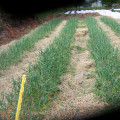
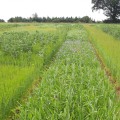
Subsistence farming is a time-honored agricultural practice that has sustained communities for centuries. At its core, it refers to a system where farmers grow food primarily for their own consumption rather than for sale in the market. This method of farming is characterized by small-scale operations, often relying on traditional techniques and local resources. As the world grapples with the challenges of climate change, food security, and environmental degradation, understanding the role of subsistence farming becomes increasingly vital in the broader context of Subsistence farming is a time-honored agricultural practice that has sustained communities for centuries. At its core, it refers to a system where farmers grow food primarily for their own consumption rather than for sale in the market. This method of farming is characterized by small-scale operations, often relying on traditional techniques and local resources. As the world grapples with the challenges of climate change, food security, and environmental degradation, understanding the role of subsistence farming becomes increasingly vital in the broader context of sustainable agriculture .The significance of subsistence farming extends beyond mere food production.
It embodies a way of life that fosters resilience and self-sufficiency among communities, particularly in developing regions. By cultivating diverse crops and utilizing local knowledge, subsistence farmers can adapt to changing environmental conditions while preserving biodiversity. This practice not only supports local diets but also contributes to cultural heritage and community cohesion.In an era where industrial agriculture often dominates discussions about food systems, subsistence farming offers a counter-narrative that emphasizes sustainability and ecological balance. It highlights the importance of working with nature rather than against it, showcasing techniques that can be both environmentally friendly and economically viable.
As we explore various agricultural techniques in this article, it is essential to recognize how subsistence farming can inform future practices aimed at achieving long-term sustainability.
The Role of Subsistence Farming in Sustainable Agriculture
Subsistence farming plays a crucial role in the landscape of sustainable agriculture, particularly in developing regions where food security is a pressing concern. This practice, which involves farmers growing food primarily for their own consumption rather than for sale, has significant implications for local economies, community resilience, and environmental conservation.Food Security and Community Resilience
At its core, subsistence farming directly addresses food security by ensuring that families have access to nutritious food. In many rural areas, where access to markets can be limited, subsistence farming provides a reliable source of sustenance. By cultivating a diverse range of crops, subsistence farmers can mitigate the risks associated with crop failure due to pests, diseases, or adverse weather conditions.
This diversity not only enhances dietary variety but also strengthens community resilience against economic shocks.
Economic Benefits
Moreover, subsistence farming contributes to local economies by fostering self-sufficiency. When communities grow their own food, they reduce dependence on external food sources and the volatility of global markets. This practice can stimulate local economies as farmers may sell surplus produce at local markets, creating income opportunities and supporting local businesses. Additionally, the skills and knowledge passed down through generations in subsistence farming practices help maintain cultural heritage and community identity.
Environmental Conservation
From an environmental perspective, subsistence farming often employs traditional agricultural techniques that are inherently sustainable.
These methods typically emphasize crop rotation, intercropping, and organic fertilization, which help maintain soil health and biodiversity. By avoiding synthetic fertilizers and pesticides, subsistence farmers contribute to the preservation of local ecosystems and reduce pollution.Furthermore, many subsistence farmers utilize agroecological practices that align with the principles of sustainable agriculture. For instance, integrating livestock with crop production can enhance nutrient cycling and improve soil fertility. Such practices not only support the health of the land but also promote a balanced ecosystem that benefits both agriculture and wildlife.In conclusion, the role of subsistence farming in sustainable agriculture is multifaceted.
It enhances food security, bolsters local economies, and fosters environmental stewardship. As we look toward the future of agriculture, recognizing and supporting subsistence farming can be pivotal in achieving sustainability goals while ensuring that communities thrive.
Techniques Used in Subsistence Farming
Subsistence farming is characterized by its reliance on traditional methods that have been passed down through generations. These techniques not only ensure food security for families but also promote environmental sustainability. Here, we explore some of the key techniques used in subsistence farming, including crop rotation , polyculture , and agroforestry .Crop Rotation
One of the most effective techniques in subsistence farming is crop rotation.This method involves alternating the types of crops grown in a particular area across different seasons or years. By rotating crops, farmers can:
- Improve soil fertility: Different crops have varying nutrient requirements. For instance, legumes can fix nitrogen in the soil, enriching it for subsequent crops.
- Reduce pest and disease buildup: Changing crops disrupts the life cycles of pests and diseases that thrive on specific plants.
- Enhance biodiversity: A diverse cropping system supports a wider range of organisms, contributing to a healthier ecosystem.
Polyculture
Polyculture is another vital technique in subsistence farming, where multiple crop species are cultivated together in the same space. This method offers several advantages:- Diverse harvests: Growing various crops can provide a more stable food supply and reduce the risk of total crop failure.
- Pest management: The presence of different plants can deter pests that target specific species, reducing the need for chemical interventions.
- Soil health: Different root structures and growth habits can improve soil structure and nutrient cycling.
Agroforestry
Agroforestry, which integrates trees and shrubs into agricultural landscapes, is another sustainable practice within subsistence farming.This technique offers numerous benefits:
- Enhanced biodiversity: Trees provide habitats for various species, promoting ecological balance.
- Soil conservation: Tree roots help prevent soil erosion and improve water retention.
- Additional income sources: Farmers can harvest fruits, nuts, or timber from trees, diversifying their income streams.
Integrating Modern Practices with Traditional Subsistence Farming
As the world grapples with the challenges of food security and environmental sustainability, integrating modern practices with traditional subsistence farming methods presents a promising pathway forward. This approach not only honors the time-tested techniques of local farmers but also leverages contemporary innovations to enhance productivity and resilience.One of the most significant advancements in this integration is the use of precision agriculture.By employing technologies such as GPS, drones, and soil sensors, farmers can gather detailed data about their fields. This information allows for more informed decision-making regarding planting schedules, irrigation needs, and pest management. For subsistence farmers, who often operate on limited resources, precision agriculture can optimize inputs and reduce waste, leading to improved yields without compromising sustainability.Another innovative practice is the adoption of agroecology , which combines ecological principles with agricultural practices. This method encourages biodiversity by promoting crop rotation, intercropping, and the use of cover crops.
By integrating these practices into traditional subsistence farming, communities can enhance soil health and resilience against pests and diseases. Furthermore, agroecology supports local ecosystems, ensuring that farming activities do not deplete natural resources.
Technology
also plays a crucial role in improving water management for subsistence farmers. Techniques such as drip irrigation and rainwater harvesting systems can significantly reduce water usage while ensuring crops receive adequate moisture. These methods are particularly beneficial in regions facing water scarcity, allowing farmers to maintain productivity even under challenging climatic conditions.Moreover, mobile technology has emerged as a vital tool for subsistence farmers.
Access to information through mobile apps can provide farmers with real-time weather updates, market prices, and best practices for crop management. This knowledge empowers them to make better decisions that align with both traditional methods and modern agricultural science.In conclusion, the integration of modern practices with traditional subsistence farming not only enhances agricultural productivity but also promotes sustainability. By embracing innovations while respecting local traditions, farmers can create resilient systems that support their livelihoods and contribute to global food security.
Challenges Facing Subsistence Farmers Today
Subsistence farmers, who primarily grow food for their own consumption rather than for sale, face a myriad of challenges that threaten their livelihoods and food security. Understanding these challenges is essential for developing effective solutions that can support these farmers and promote sustainable agricultural practices.Climate Change Impacts
One of the most pressing issues confronting subsistence farmers today is the impact of climate change.
Altered weather patterns, including unpredictable rainfall and extreme temperatures, can devastate crops and reduce yields. For instance, prolonged droughts can lead to water scarcity, making it difficult for farmers to irrigate their fields. Conversely, excessive rainfall can cause flooding, leading to soil erosion and crop destruction. These climatic shifts not only threaten immediate food production but also undermine the long-term viability of farming practices.
Economic Barriers
Economic challenges further complicate the situation for subsistence farmers.
Many lack access to credit and financial services, which limits their ability to invest in better seeds, fertilizers, or equipment that could enhance productivity. Additionally, fluctuating market prices for agricultural products can create uncertainty, making it difficult for farmers to plan for the future. Without a stable income or access to resources, subsistence farmers often find themselves trapped in a cycle of poverty.
Access to Resources
Access to essential resources such as land, water, and technology is another significant hurdle. In many regions, land tenure systems are insecure, leaving farmers vulnerable to displacement or loss of their farming rights.
Furthermore, inadequate infrastructure can hinder access to markets where they could sell surplus produce or acquire necessary supplies. The lack of modern agricultural technology also means that many subsistence farmers rely on outdated methods that are less efficient and more labor-intensive.In summary, the challenges facing subsistence farmers today are multifaceted and deeply interconnected. Addressing these issues requires a comprehensive approach that considers the environmental, economic, and social dimensions of agriculture. By understanding these challenges, stakeholders can work towards creating supportive policies and programs that empower subsistence farmers and promote sustainable agricultural practices.
Case Studies: Successful Subsistence Farming Practices Around the World
Subsistence farming has been a cornerstone of food production for countless communities around the globe.By focusing on sustainable practices that prioritize local resources and traditional knowledge, these communities have successfully navigated challenges such as climate change, economic instability, and food insecurity. Here are some notable case studies that highlight effective subsistence farming practices.
1.The Andean Terraces of Peru
In the highlands of Peru, indigenous farmers have utilized terracing for centuries to cultivate crops like potatoes and quinoa. This method not only conserves soil moisture but also reduces erosion on steep slopes. By planting diverse crops in these terraces, farmers enhance biodiversity and resilience against pests and diseases.The integration of traditional knowledge with modern techniques has allowed these communities to maintain their agricultural heritage while adapting to changing environmental conditions.
2.The Rice-Fish Culture in China
In southern China, the practice of integrating rice cultivation with fish farming has proven to be a sustainable subsistence farming model. Farmers cultivate rice in flooded fields while simultaneously raising fish, which helps control pests and provides an additional source of protein. This rice-fish culture not only maximizes land use but also promotes nutrient cycling within the ecosystem, leading to healthier crops and fish populations.3.Agroecology in West Africa
In countries like Mali and Senegal, agroecological practices have gained traction among subsistence farmers facing the impacts of climate change. Techniques such as intercropping, where multiple crops are grown together, help improve soil fertility and reduce the risk of crop failure.Additionally, the use of organic fertilizers and natural pest control methods has led to increased yields while minimizing environmental impact.
4.The Milpa System in Central America
The milpa system, practiced by many indigenous communities in Central America, involves rotating crops such as maize, beans, and squash in a sustainable manner. This method enhances soil health and reduces dependency on chemical inputs. By fostering a diverse agricultural ecosystem, farmers can ensure food security while preserving their cultural identity.These case studies exemplify how subsistence farming can be both sustainable and productive. By leveraging local resources and traditional practices, communities around the world are not only feeding themselves but also contributing to global efforts toward sustainable agriculture.The Future of Subsistence Farming: Trends and Predictions
As we look towards the future of subsistence farming, it is essential to recognize the evolving landscape of agriculture and the trends that are likely to shape this vital practice.Subsistence farming, which primarily focuses on growing enough food to meet the needs of the farmer's family, is increasingly being influenced by global challenges such as climate change, population growth, and technological advancements.One significant trend is the integration of sustainable practices into subsistence farming. Farmers are beginning to adopt methods that not only enhance their productivity but also protect the environment. Techniques such as crop rotation, agroforestry, and organic farming are gaining traction among subsistence farmers who seek to improve soil health and biodiversity while ensuring food security.Moreover, the rise of digital technology is transforming how subsistence farmers operate. Mobile applications and online platforms are providing farmers with access to vital information regarding weather patterns, pest management, and market prices.
This access enables them to make informed decisions that can lead to better yields and reduced waste.Another critical aspect of the future of subsistence farming is the emphasis on community-based approaches. Farmers are increasingly collaborating with local organizations and NGOs to share resources, knowledge, and best practices. This collective effort not only strengthens community ties but also enhances resilience against external shocks such as economic downturns or natural disasters.Looking ahead, predictions for sustainability in subsistence farming suggest a shift towards more diversified cropping systems. By cultivating a variety of crops rather than relying on a single staple, farmers can mitigate risks associated with climate variability and market fluctuations.
This diversification not only supports nutritional needs but also contributes to ecological balance.In conclusion, the future of subsistence farming is poised for transformation through sustainable practices, technological integration, and community collaboration. As these trends continue to evolve, they hold the potential to enhance food security while promoting environmental stewardship in rural areas around the globe.
Conclusion: Embracing Sustainable Practices for a Better Future
As we reflect on the various sustainable practices discussed throughout this article, it becomes clear that subsistence farming plays a pivotal role in shaping a more sustainable agricultural future. This traditional method of farming, which focuses on producing enough food for the farmer's family and local community, is not only a means of survival but also a pathway to environmental stewardship.By embracing sustainable practices within subsistence farming, we can enhance food security while minimizing the ecological footprint. Techniques such as crop rotation, agroforestry, and organic farming methods contribute to soil health and biodiversity, ensuring that the land remains productive for generations to come.These practices not only support local ecosystems but also empower communities by fostering resilience against climate change.Moreover, the integration of modern technologies with traditional methods can further amplify the benefits of subsistence farming. For instance, utilizing mobile applications for weather forecasting and pest management can help farmers make informed decisions, ultimately leading to better yields and reduced resource waste.Looking ahead, the future of agriculture hinges on our ability to adapt and innovate while respecting the age-old wisdom embedded in subsistence farming. As global populations continue to rise, the demand for food will increase exponentially. Therefore, it is imperative that we prioritize sustainable practices that not only meet this demand but also protect our planet.In conclusion, embracing sustainable practices in subsistence farming is not merely an option; it is a necessity for a better future.
By fostering a holistic approach that values both productivity and environmental health, we can create a resilient agricultural system that benefits all stakeholders—from farmers to consumers. The journey towards sustainability is ongoing, and it requires collective effort and commitment from individuals, communities, and policymakers alike.