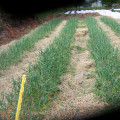
In an era marked by rapid population growth and escalating environmental challenges, the concepts of sustainable agriculture and subsistence farming have emerged as vital components in the quest for food security and ecological balance. Sustainable agriculture refers to farming practices that meet current food needs without compromising the ability of future generations to meet their own. It emphasizes the importance of maintaining healthy ecosystems, conserving resources, and promoting biodiversity, which aligns with number 12 under the sustainable development goals. On the other hand, subsistence farming is a method where farmers grow food primarily for their own consumption rather than for sale in the market. have emerged as vital components in the quest for food security and ecological balance. Sustainable agriculture refers to farming practices that meet current food needs without compromising the ability of future generations to meet their own. It emphasizes the importance of maintaining healthy ecosystems, conserving resources, and promoting biodiversity, which aligns with number 12 under the sustainable development goals. On the other hand, subsistence farming is a method where farmers grow food primarily for their own consumption rather than for sale in the market.
This practice is often seen in rural areas where communities rely on local resources to sustain their livelihoods.The intersection of sustainable agriculture and subsistence farming presents a unique opportunity to address pressing global issues such as climate change, soil degradation, and water scarcity. By adopting sustainable practices, subsistence farmers can enhance their productivity while minimizing their environmental footprint. Techniques such as crop rotation, organic fertilization, and agroforestry not only improve soil health but also increase resilience against climate variability. These methods allow farmers to produce enough food for their families while preserving the land for future generations.Moreover, the significance of these practices extends beyond individual farms; they play a crucial role in enhancing community food security.
As global food systems become increasingly vulnerable to external shocks—be it economic downturns or climate-related disasters—subsistence farming rooted in sustainability can provide a buffer against such uncertainties. By fostering local food systems that prioritize ecological health and community well-being, we can create a more resilient agricultural landscape that benefits both people and the planet.
Understanding Subsistence Farming
Subsistence farming
is a traditional agricultural practice where farmers grow food primarily for their own consumption rather than for sale in the market. This method of farming is often characterized by small-scale operations that rely heavily on local resources and labor. The primary goal of subsistence farming is to meet the basic needs of the farmer's family, ensuring food security and self-sufficiency.There are several types of subsistence farming , each adapted to specific environmental conditions and cultural practices:
- Shifting Cultivation: Also known as slash-and-burn agriculture, this method involves clearing a piece of land, cultivating it for a few years, and then moving on to another area once soil fertility declines.
This practice allows the land to regenerate naturally over time.
- Intensive Subsistence Farming: This type focuses on maximizing yield from small plots of land through careful management and the use of labor-intensive techniques. Farmers often grow multiple crops in a single year, utilizing every available resource to sustain their families.
- Pastoralism: In regions where crop cultivation is challenging, pastoralists rely on herding livestock for food. This form of subsistence farming is common in arid and semi-arid areas where grazing lands are more viable than arable land.
By growing their own food, families can ensure a stable supply of nutritious produce, reducing dependence on external markets that may be volatile or inaccessible.Moreover, subsistence farming often has a lower environmental impact compared to industrial agriculture. Farmers typically use organic methods, relying on natural fertilizers and pest control techniques that promote biodiversity and soil health. This approach not only conserves local ecosystems but also helps mitigate climate change by maintaining carbon-rich soils.In summary, subsistence farming plays a crucial role in sustaining local communities while promoting environmental stewardship. By understanding its various forms and benefits, we can appreciate the importance of this age-old practice in our modern world.
The Role of Sustainable Agriculture in Environmental Protection
Sustainable agriculture plays a pivotal role in environmental protection by implementing practices that not only enhance productivity but also safeguard our planet's natural resources.By focusing on methods that promote ecological balance, sustainable agriculture contributes significantly to biodiversity conservation and the reduction of carbon emissions.One of the most effective sustainable practices is organic farming. This method avoids synthetic fertilizers and pesticides, relying instead on natural inputs such as compost and biological pest control. Organic farming not only improves soil health but also fosters a diverse ecosystem of microorganisms that are essential for nutrient cycling. By enhancing soil fertility naturally, organic farms can produce healthy crops while minimizing their environmental footprint.
Crop rotation
is another vital practice in sustainable agriculture.
This technique involves alternating the types of crops grown in a particular area across seasons. Crop rotation helps to break pest and disease cycles, reduces soil erosion, and improves soil structure and fertility. For instance, planting legumes in rotation with cereals can enhance nitrogen levels in the soil, reducing the need for chemical fertilizers and promoting a healthier agricultural ecosystem.
Agroforestry
, which integrates trees and shrubs into agricultural landscapes, further exemplifies sustainable practices that benefit the environment. This approach not only increases biodiversity by providing habitats for various species but also enhances carbon sequestration.
Trees absorb CO2 from the atmosphere, helping to mitigate climate change while simultaneously offering shade and wind protection for crops.Moreover, sustainable agriculture practices contribute to water conservation. Techniques such as conservation tillage minimize soil disturbance, which helps retain moisture and reduces runoff. This is particularly crucial in areas prone to drought, where every drop of water counts. By improving water retention in the soil, farmers can ensure more resilient crop production even under challenging climatic conditions.In conclusion, the integration of sustainable agriculture practices not only protects the environment but also enhances agricultural productivity.
By fostering biodiversity, improving soil health, and conserving water resources, these methods create a more resilient agricultural system capable of meeting the food demands of a growing population while preserving our planet for future generations.
Challenges Faced by Subsistence Farmers
Subsistence farmers, who primarily grow food for their own consumption rather than for sale, face a myriad of challenges that can significantly hinder their ability to sustain their livelihoods. Understanding these challenges is essential for developing effective support systems that can enhance their resilience and productivity.One of the most pressing issues is economic barriers. Many subsistence farmers operate in regions where access to financial resources is limited. Without adequate funding, they struggle to invest in necessary inputs such as seeds, fertilizers, and tools.This lack of investment can lead to lower crop yields and diminished food security. Additionally, the absence of credit facilities or microfinance options makes it difficult for these farmers to improve their agricultural practices or diversify their crops.Access to resources is another significant challenge. Subsistence farmers often rely on traditional farming methods that may not be sufficient in the face of modern agricultural demands. Limited access to technology, such as irrigation systems or improved seed varieties, can restrict their ability to adapt to changing conditions.
Furthermore, many subsistence farmers lack access to education and training programs that could enhance their farming skills and knowledge about sustainable practices.The impacts of climate change are increasingly evident in the lives of subsistence farmers. Erratic weather patterns, prolonged droughts, and extreme weather events can devastate crops and reduce harvests. For instance, a single season of poor rainfall can lead to food shortages that affect not only the farmers but also their communities. As climate change continues to alter growing conditions, subsistence farmers must find ways to adapt, often with limited resources and support.Moreover, the social dynamics within rural communities can exacerbate these challenges.
Gender inequality often plays a role in limiting women's access to land and resources, which is particularly concerning since women are often the primary caregivers and food producers in many subsistence farming households. Addressing these social barriers is crucial for empowering all members of the community.In conclusion, the challenges faced by subsistence farmers are multifaceted and deeply interconnected. By recognizing the economic constraints, resource limitations, and climate change effects they encounter, stakeholders can work towards creating targeted interventions that support these vital contributors to global food security.
Innovative Solutions for Sustainable Subsistence Farming
As the world increasingly recognizes the importance of sustainable practices, subsistence farming is evolving through innovative solutions that not only enhance productivity but also protect the environment. These methods are particularly vital for small-scale farmers who rely on their land for survival and community sustenance.One of the most promising approaches is permaculture , a design philosophy that mimics natural ecosystems to create sustainable agricultural systems.By integrating various elements such as plants, animals, and water management techniques, permaculture promotes biodiversity and resilience. For instance, planting nitrogen-fixing legumes alongside staple crops can improve soil fertility while reducing the need for chemical fertilizers. This method not only enhances crop yields but also fosters a healthier ecosystem.
Agroecology
is another innovative solution that emphasizes the ecological principles of farming. It combines traditional knowledge with modern science to create sustainable farming practices tailored to local conditions.
Agroecological practices include crop rotation, intercropping, and organic pest management, which help maintain soil health and reduce dependency on synthetic inputs. By focusing on local resources and knowledge, agroecology empowers subsistence farmers to adapt to climate change and market fluctuations.Community-supported agriculture (CSA) initiatives also play a crucial role in supporting sustainable subsistence farming. In a CSA model, consumers buy shares of a farm's harvest in advance, providing farmers with the necessary capital to invest in sustainable practices. This direct relationship between producers and consumers fosters a sense of community and encourages local food systems.
Additionally, CSAs often promote education about sustainable practices, helping consumers understand the importance of supporting environmentally friendly farming.Furthermore, technology is making strides in enhancing subsistence farming sustainability. Innovations such as mobile apps for weather forecasting, soil health monitoring, and pest identification empower farmers with information that can lead to better decision-making. These tools can help optimize resource use and improve crop management strategies.In conclusion, by embracing innovative solutions like permaculture, agroecology, and community-supported agriculture, subsistence farmers can significantly enhance their sustainability while ensuring food security for their communities. These practices not only protect the environment but also create resilient agricultural systems capable of withstanding future challenges.
Case Studies: Successful Examples of Sustainable Subsistence Farming
Across the globe, numerous communities have successfully implemented sustainable subsistence farming practices that not only enhance food security but also promote environmental health.These case studies serve as inspiring examples of how traditional methods can be adapted to meet modern challenges.
1.The System of Rice Intensification (SRI) in Madagascar
In Madagascar, the System of Rice Intensification (SRI) has transformed the way rice is cultivated. This method emphasizes the use of fewer seeds, careful water management, and organic fertilizers. Farmers practicing SRI have reported yields that are 20-50% higher than those achieved through conventional methods. Additionally, SRI promotes biodiversity by encouraging the growth of various crops alongside rice, which helps to improve soil health and reduce pest infestations.2.Agroecology in Cuba
After the collapse of the Soviet Union, Cuba faced a severe food crisis that forced farmers to adopt agroecological practices.By utilizing organic fertilizers, crop rotation, and intercropping, Cuban farmers have been able to produce food sustainably without relying on chemical inputs. This shift not only improved food security but also restored soil fertility and reduced dependency on imported agricultural products.
3.Permaculture in Ethiopia
In Ethiopia, permaculture techniques have been successfully implemented in rural communities to combat soil erosion and improve agricultural productivity. By designing agricultural systems that mimic natural ecosystems, farmers have created resilient landscapes that can withstand droughts and floods. These practices have led to increased crop yields and enhanced food security for many families.4.Indigenous Practices in the Amazon Rainforest
The indigenous communities of the Amazon rainforest have long practiced sustainable subsistence farming through methods such as slash-and-char , which involves burning vegetation to enrich the soil with biochar.This technique not only improves soil fertility but also sequesters carbon, helping to mitigate climate change. By maintaining biodiversity and using traditional knowledge, these communities continue to thrive while preserving their environment.
5.Community Supported Agriculture (CSA) in the United States
In the United States, Community Supported Agriculture (CSA) programs have emerged as a successful model for sustainable subsistence farming. These initiatives connect local farmers directly with consumers who purchase shares of the harvest in advance. This system provides farmers with financial stability while promoting local food systems and reducing transportation emissions.These case studies highlight that sustainable subsistence farming is not only viable but essential for addressing global food security challenges while protecting our planet's resources.By learning from these successful examples, we can inspire more communities to adopt sustainable practices that benefit both people and the environment.
The Economic Impact of Sustainable Agriculture on Local Communities
Sustainable agriculture not only addresses environmental concerns but also plays a pivotal role in enhancing the economic landscape of local communities. By adopting sustainable practices, farmers can experience a range of economic benefits that contribute to the overall prosperity of their regions.Job Creation in Agriculture
One of the most significant impacts of sustainable agriculture is its potential for job creation. Unlike conventional farming methods that often rely on mechanization and chemical inputs, sustainable practices tend to be more labor-intensive. This increased demand for labor can lead to the creation of numerous jobs within local communities.
For instance, organic farms often require more hands for tasks such as planting, weeding, and harvesting, which can provide employment opportunities for both skilled and unskilled workers.
Increased Income for Farmers
Farmers who engage in sustainable agriculture often find that they can command higher prices for their products. Consumers are increasingly willing to pay a premium for organic and sustainably produced goods, recognizing the value of environmentally friendly practices. This shift in consumer behavior allows farmers to increase their income, which can be reinvested into their operations or spent within their communities, further stimulating local economies.
Long-Term Economic Resilience
Sustainable agriculture promotes long-term economic resilience by fostering diverse farming systems that are less susceptible to market fluctuations and climate change. By diversifying crops and implementing practices such as crop rotation and agroforestry, farmers can reduce their reliance on single crops that may be vulnerable to pests or price drops.
This diversification not only stabilizes income but also enhances food security within the community.
Community Engagement and Development
Moreover, sustainable agriculture encourages community engagement through local food systems. Farmers' markets, community-supported agriculture (CSA) programs, and farm-to-table initiatives create direct connections between producers and consumers. These interactions not only strengthen community ties but also keep money circulating within the local economy, fostering a sense of shared responsibility for both economic and environmental health.In conclusion, the economic impact of sustainable agriculture on local communities is profound. By creating jobs, increasing farmer incomes, promoting resilience against economic shocks, and fostering community engagement, sustainable practices contribute significantly to the vitality and sustainability of local economies.
Policy Recommendations for Supporting Sustainable Agriculture and Subsistence Farming
To effectively support sustainable agriculture and subsistence farming, it is essential for policymakers to implement targeted strategies that address the unique challenges faced by small-scale farmers.These recommendations aim to create a robust framework that encourages sustainable practices while ensuring food security and environmental protection.
1.Financial Support and Incentives
- Establish grant programs specifically designed for smallholder farmers to adopt sustainable practices, such as organic farming and agroecology.
- Provide low-interest loans or subsidies for purchasing eco-friendly equipment and technologies that enhance productivity without harming the environment.
- Implement tax incentives for farmers who engage in practices that promote biodiversity, soil health, and water conservation.
2.Education and Training Programs
- Develop comprehensive training programs that educate farmers on sustainable agricultural techniques, including crop rotation, permaculture, and integrated pest management.
- Facilitate workshops and community gatherings where farmers can share knowledge and experiences related to sustainable practices.
- Partner with local universities and agricultural extension services to provide ongoing support and resources for farmers transitioning to sustainable methods.
3.Research and Development
- Invest in research initiatives focused on developing sustainable farming technologies that are accessible to small-scale farmers.
- Encourage collaboration between government agencies, research institutions, and farmers to identify local challenges and co-create solutions.
- Support studies that assess the long-term impacts of sustainable practices on crop yields, soil health, and ecosystem services.
4.Community-Based Programs
- Create community-supported agriculture (CSA) programs that connect local farmers directly with consumers, fostering a sense of community while promoting local food systems.
- Encourage the establishment of cooperatives that allow farmers to pool resources, share knowledge, and access markets more effectively.
- Implement local food policies that prioritize sourcing from sustainable farms in public institutions such as schools and hospitals.
5.Policy Frameworks
- Develop comprehensive agricultural policies that prioritize sustainability as a core principle, ensuring alignment with environmental goals.
- Incorporate feedback from farmers into policy-making processes to ensure that regulations are practical and beneficial for those on the ground.
- Monitor and evaluate the effectiveness of policies regularly, making adjustments based on outcomes and emerging challenges in the agricultural sector.
Conclusion: The Future of Sustainable Agriculture and Subsistence Farming
As we look towards the future of agriculture, it is clear that the integration of sustainable practices into subsistence farming is not just beneficial but essential. The challenges posed by climate change, population growth, and resource depletion necessitate a shift in how we approach food production, particularly in regions where farming is primarily for local consumption.Subsistence farming
plays a critical role in global food security, especially in developing countries where smallholder farmers rely on their crops for survival. By adopting sustainable agricultural methods, these farmers can enhance their productivity while minimizing environmental impact. Techniques such as crop rotation, agroforestry, and organic pest management not only improve soil health but also increase resilience against climate variability.Moreover, sustainable practices can lead to improved biodiversity, which is vital for maintaining ecosystem balance.
By fostering a diverse range of crops and livestock, subsistence farmers can create a more stable food system that is less susceptible to pests and diseases. This diversity also contributes to nutritional security for communities that depend on these farms.In addition to environmental benefits, integrating sustainability into subsistence farming can have significant economic advantages. Farmers who implement these practices often see reduced input costs due to lower reliance on chemical fertilizers and pesticides. Furthermore, by producing organic or sustainably sourced products, they can access premium markets that offer better prices for their goods.To ensure the viability of subsistence farming in the face of future challenges, it is crucial for governments and organizations to support these farmers through education and resources.
Training programs that focus on sustainable techniques can empower farmers to make informed decisions that benefit both their livelihoods and the environment.In conclusion, the future of sustainable agriculture hinges on the successful integration of eco-friendly practices into subsistence farming. By prioritizing sustainability, we can protect our planet while ensuring that all communities have access to nutritious food. The path forward requires collaboration among farmers, policymakers, and consumers to create a resilient agricultural system that meets the needs of today without compromising the ability of future generations to thrive.