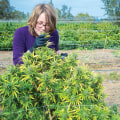
Sustainable agriculture represents a transformative approach to farming that prioritizes the health of our planet while ensuring food security for future generations. Unlike conventional farming, which often relies heavily on synthetic fertilizers, pesticides, and monoculture practices, sustainable agriculture seeks to create a balanced ecosystem that works in harmony with nature. This method not only focuses on producing food but also emphasizes the importance of maintaining the integrity of our natural resources, such as soil, water, and biodiversity.The significance of sustainable agriculture cannot be overstated. As the global population continues to rise, the demand for food increases exponentially.
However, this demand must be met without compromising the environment. Sustainable practices aim to reduce the negative impacts of farming on ecosystems, thereby promoting a healthier planet. By implementing techniques such as crop rotation, agroforestry, and organic farming, we can enhance soil fertility and reduce reliance on chemical inputs. This not only benefits farmers by lowering costs but also contributes to a more resilient food system.Moreover, sustainable agriculture plays a crucial role in mitigating climate change.
Traditional agricultural methods are significant contributors to greenhouse gas emissions, which exacerbate global warming. In contrast, sustainable practices can help sequester carbon in the soil and reduce emissions through improved land management. By fostering a diverse range of crops and livestock, sustainable agriculture enhances biodiversity, which is essential for ecosystem stability and resilience against climate-related challenges.In summary, understanding sustainable agriculture is vital for anyone interested in the future of food production and environmental stewardship. It offers a pathway to not only meet our current needs but also safeguard the planet for generations to come.
As we delve deeper into this topic, we will explore how specific practices within sustainable agriculture can lead to significant environmental benefits and contribute to a more equitable food system.
What is Subsistence Farming?
Subsistence farming
is a traditional agricultural practice where farmers grow food primarily for their own consumption rather than for sale in the market. This type of farming is often characterized by small-scale operations that rely heavily on local resources and labor. The primary goal of subsistence farming is to meet the basic needs of the farmer's family, ensuring food security and self-sufficiency.One of the defining characteristics of subsistence farming is its reliance on diversified crops. Farmers typically cultivate a variety of crops, which can include grains, vegetables, and fruits, to provide a balanced diet.
This diversity not only helps in meeting nutritional needs but also reduces the risk of crop failure due to pests or adverse weather conditions. Additionally, many subsistence farmers practice crop rotation and intercropping, techniques that enhance soil fertility and reduce the need for chemical fertilizers.Another important aspect of subsistence farming is its minimal use of external inputs. Farmers often utilize organic methods, such as composting and natural pest control, which are more sustainable and environmentally friendly compared to conventional agricultural practices. This approach not only preserves the health of the soil but also contributes to biodiversity by maintaining various plant and animal species within the farming ecosystem.Examples of subsistence farming can be found worldwide, particularly in developing countries.
In regions like sub-Saharan Africa, farmers may grow staple crops such as maize, cassava, and millet alongside legumes to enrich the soil. In Asia, rice paddies are often cultivated using traditional methods that have been passed down through generations. These practices not only sustain local communities but also play a crucial role in preserving cultural heritage.In conclusion, understanding subsistence farming is essential as it highlights sustainable agricultural practices that benefit both the environment and local communities. By focusing on self-sufficiency and resource conservation, subsistence farmers contribute significantly to food security while minimizing their ecological footprint.
The Environmental Benefits of Sustainable Agriculture
Sustainable agriculture offers a multitude of environmental benefits that are crucial for maintaining the health of our planet.One of the most significant advantages is the enhancement of soil health. Healthy soil is the foundation of productive farming and is essential for growing nutritious food. Sustainable practices, such as crop rotation, cover cropping, and reduced tillage, contribute to soil fertility by improving its structure and increasing organic matter content. This not only helps retain moisture but also enhances the soil's ability to sequester carbon, thereby playing a role in mitigating climate change.Moreover, sustainable agriculture promotes biodiversity, which is vital for ecosystem resilience.
Biodiversity refers to the variety of life forms within a given ecosystem, including plants, animals, and microorganisms. By implementing diverse cropping systems and integrating livestock with crop production, farmers can create habitats that support a wide range of species. This diversity helps control pests naturally, reducing the need for chemical pesticides that can harm both the environment and human health.In addition to improving soil health and promoting biodiversity, sustainable agriculture practices can also enhance water quality. Traditional farming methods often lead to runoff that carries fertilizers and pesticides into nearby water bodies, causing pollution and harming aquatic ecosystems.
In contrast, sustainable practices such as buffer strips and contour farming help filter runoff before it enters waterways, thus protecting aquatic life and ensuring cleaner water for communities.Furthermore, sustainable agriculture encourages the use of renewable resources and minimizes waste. By utilizing organic fertilizers and practicing integrated pest management, farmers can reduce their reliance on synthetic inputs that contribute to environmental degradation. This shift not only conserves natural resources but also fosters a more circular economy where waste is minimized and resources are reused.Ultimately, the environmental benefits of sustainable agriculture extend beyond individual farms; they contribute to a healthier planet overall. By prioritizing practices that enhance soil health, promote biodiversity, improve water quality, and reduce waste, we can create a more sustainable food system that supports both current and future generations.
How Subsistence Farming Contributes to Sustainability
Subsistence farming, characterized by small-scale agricultural practices aimed at meeting the needs of the farmer's family rather than for commercial sale, plays a pivotal role in promoting sustainability.This method of farming is deeply intertwined with local ecosystems, fostering a symbiotic relationship that benefits both the environment and the communities that rely on it.One of the primary ways subsistence farming contributes to sustainability is through its emphasis on biodiversity. Farmers often cultivate a variety of crops and raise different livestock species, which helps maintain genetic diversity within local ecosystems. This diversity is crucial for resilience against pests, diseases, and changing climate conditions. By planting multiple crop varieties, subsistence farmers can ensure that at least some of their harvest will thrive even in adverse conditions, reducing the risk of total crop failure.Moreover, subsistence farming practices typically involve traditional methods that are less reliant on chemical fertilizers and pesticides.
Instead, these farmers often utilize organic compost and natural pest control methods, which not only protect the health of the soil but also minimize harmful runoff into nearby water sources. This approach helps preserve local water quality and supports aquatic ecosystems.Another significant aspect of subsistence farming is its focus on soil health. Farmers often practice crop rotation and intercropping, techniques that enhance soil fertility and structure. By alternating crops and planting complementary species together, they can naturally replenish nutrients in the soil, reducing the need for synthetic inputs.
Healthy soil is vital for sustainable agriculture as it supports plant growth and helps sequester carbon, mitigating climate change.Additionally, subsistence farming fosters community resilience by promoting local food systems. When communities grow their own food, they reduce dependence on external markets and transportation networks, which can be vulnerable to disruptions. This localized approach not only enhances food security but also strengthens social ties as families and neighbors work together to cultivate their land.In conclusion, subsistence farming is more than just a means of survival; it is a sustainable practice that nurtures local ecosystems while providing food security for communities. By prioritizing biodiversity, soil health, and community resilience, subsistence farmers contribute significantly to environmental sustainability and the overall well-being of their regions.
Challenges Faced by Subsistence Farmers in Sustainable Practices
Subsistence farmers, who primarily grow food for their own consumption rather than for sale, face a myriad of challenges when attempting to adopt sustainable agricultural practices.These challenges are often compounded by economic factors and external pressures that can hinder their efforts to implement environmentally friendly methods.One of the most significant obstacles is the economic instability that many subsistence farmers experience. With limited access to financial resources, these farmers often struggle to invest in sustainable technologies or practices that require upfront costs. For instance, transitioning to organic farming may necessitate purchasing organic seeds or natural fertilizers, which can be prohibitively expensive for those living on the edge of poverty.Additionally, subsistence farmers frequently lack access to credit facilities or financial support systems that could help them finance sustainable initiatives. Without the ability to secure loans or grants, they are left with few options but to continue using traditional methods that may not be environmentally sustainable.Another challenge is the pressure from market demands.
In many regions, there is a strong emphasis on high-yield crops that can be sold at local markets. This pressure often leads farmers to prioritize short-term profits over long-term sustainability. As a result, they may resort to using chemical fertilizers and pesticides that can degrade soil health and harm local ecosystems.Furthermore, climate change poses a significant threat to subsistence farming. Erratic weather patterns and extreme weather events can disrupt planting and harvesting schedules, making it difficult for farmers to maintain consistent yields.
This unpredictability can discourage farmers from investing in sustainable practices that may take time to show results.Lastly, there is often a lack of education and training regarding sustainable practices among subsistence farmers. Many may not be aware of the benefits of crop rotation, agroforestry, or permaculture techniques. Without proper knowledge and resources, they may find it challenging to implement these practices effectively.In summary, while the potential for sustainable agriculture exists within subsistence farming communities, various economic factors and external pressures create significant barriers. Addressing these challenges requires a multifaceted approach that includes financial support, education, and market reform to empower subsistence farmers in their pursuit of sustainability.
Case Studies: Successful Examples of Sustainable Subsistence Farming
Across the globe, numerous communities have embraced sustainable subsistence farming practices that not only provide food security but also enhance environmental health.These case studies highlight successful initiatives that demonstrate the potential of sustainable methods in various ecological and cultural contexts.
1.The Zai Technique in Burkina Faso
In Burkina Faso, farmers have adopted the Zai technique , a traditional method that involves digging small pits to capture rainwater and concentrate nutrients. This practice has significantly improved soil fertility and crop yields in arid regions. By using organic matter such as compost and manure, farmers enhance the soil's ability to retain moisture, which is crucial in a climate prone to drought.2.Agroecology in Cuba
After the collapse of the Soviet Union, Cuba faced severe food shortages, prompting a shift towards agroecological practices. Urban gardens and community-supported agriculture emerged as vital solutions.These initiatives emphasize biodiversity, crop rotation, and organic pest control, leading to increased food production while minimizing chemical inputs. The success of these practices has not only improved local diets but also fostered community resilience.
3.Permaculture in Australia
In Australia, permaculture principles have been successfully implemented by smallholder farmers to create self-sustaining ecosystems. By designing agricultural systems that mimic natural ecosystems, these farmers have enhanced biodiversity and reduced reliance on external inputs. For instance, integrating livestock with crop production has led to improved soil health and reduced erosion.4.Indigenous Practices in the Amazon Rainforest
The indigenous communities of the Amazon rainforest have long practiced sustainable farming techniques that respect the delicate balance of their ecosystem.By utilizing agroforestry , they cultivate a variety of crops alongside native trees, which helps maintain biodiversity and soil health. These practices not only provide food but also preserve the cultural heritage and knowledge of these communities.
5.Community Seed Banks in India
In India, community seed banks have emerged as a powerful tool for promoting sustainable subsistence farming. These banks preserve indigenous seed varieties that are well-adapted to local conditions, ensuring food security and resilience against climate change. By encouraging farmers to save seeds from their harvests, these initiatives foster biodiversity and reduce dependence on commercial seed suppliers.These case studies illustrate that sustainable subsistence farming is not just a theoretical concept but a practical approach that can lead to significant environmental benefits while supporting local communities.By learning from these successful examples, other regions can adopt similar practices to enhance their agricultural sustainability.
The Role of Technology in Sustainable Agriculture and Subsistence Farming
In the realm of sustainable agriculture, technology plays a pivotal role in enhancing productivity while minimizing environmental impact. For subsistence farmers, who often operate on limited resources, the integration of innovative tools and practices can significantly improve their livelihoods and the health of their ecosystems.Innovative Tools for Subsistence Farming
- Drip Irrigation Systems: These systems deliver water directly to the plant roots, reducing water waste and ensuring that crops receive the necessary hydration without over-saturating the soil. This is particularly beneficial in regions facing water scarcity.
- Soil Sensors: Advanced soil sensors can monitor moisture levels, nutrient content, and pH balance in real-time. This data allows farmers to make informed decisions about when to irrigate or fertilize, optimizing resource use and enhancing crop yields.
- Mobile Applications: Various mobile apps provide farmers with access to weather forecasts, market prices, and best practices for crop management.
This information empowers subsistence farmers to make timely decisions that can lead to better harvests and increased income.
Precision Agriculture
Precision agriculture is another technological advancement that can greatly benefit subsistence farming. By utilizing GPS technology and data analytics, farmers can tailor their practices to specific areas of their fields. This targeted approach not only maximizes productivity but also minimizes the use of fertilizers and pesticides, reducing the risk of environmental contamination.
The Importance of Education and Training
While technology offers numerous advantages, it is essential for subsistence farmers to receive proper education and training on how to effectively implement these tools. Agricultural extension services can play a crucial role in this regard by providing workshops and resources that help farmers understand the benefits of sustainable practices and how to utilize new technologies.In conclusion, the integration of technology into sustainable agriculture presents a promising avenue for enhancing the efficiency of subsistence farming.
By adopting innovative tools and practices, farmers can not only improve their productivity but also contribute to a healthier environment, ensuring food security for future generations.
Policy Implications for Supporting Sustainable Agriculture and Subsistence Farming
Government policies play a crucial role in shaping the landscape of sustainable agriculture and supporting subsistence farming. As the world grapples with the challenges of climate change, food security, and environmental degradation, it is imperative that policymakers prioritize initiatives that promote sustainable practices. This section explores the necessary policy changes and government support mechanisms that can foster a more sustainable agricultural system.One of the primary ways governments can support sustainable agriculture is through targeted subsidies for farmers who adopt environmentally friendly practices. These subsidies can help offset the initial costs associated with transitioning to sustainable methods, such as organic farming or agroecology.By providing financial incentives, governments can encourage farmers to invest in practices that enhance soil health, conserve water, and reduce reliance on chemical inputs.Additionally, policies should focus on providing technical assistance and education to subsistence farmers. Many small-scale farmers lack access to the latest research and resources that could improve their farming techniques. By establishing extension services that offer training in sustainable practices, governments can empower these farmers to implement methods that not only increase their yields but also protect the environment.Furthermore, it is essential for governments to create a favorable regulatory environment that supports sustainable agriculture. This includes simplifying the process for obtaining organic certification and reducing bureaucratic hurdles for farmers who wish to transition to sustainable practices.
Streamlining these processes can make it easier for subsistence farmers to access markets for their products, thereby increasing their income and promoting economic stability.Another critical aspect of policy implications is the promotion of research and development in sustainable agricultural technologies. Governments should invest in research initiatives that focus on developing innovative solutions tailored to the needs of subsistence farmers. This could include drought-resistant crop varieties or efficient irrigation systems that conserve water while maximizing productivity.Finally, collaboration between various stakeholders—such as government agencies, non-governmental organizations, and local communities—is vital for creating comprehensive policies that address the unique challenges faced by subsistence farmers. By fostering partnerships and encouraging community involvement in policy development, governments can ensure that the voices of those most affected by agricultural policies are heard.In conclusion, effective government policies are essential for promoting sustainable agriculture and supporting subsistence farming.
By implementing targeted subsidies, providing education and technical assistance, creating a favorable regulatory environment, investing in research, and fostering collaboration among stakeholders, policymakers can pave the way for a more sustainable agricultural future.
Future Trends in Sustainable Agriculture and Subsistence Farming
As we look toward the future of sustainable agriculture, it is essential to consider how emerging trends will shape subsistence farming practices. Subsistence farming, which focuses on producing enough food for the farmer's family with little surplus for sale, is particularly vulnerable to environmental changes and economic pressures. However, innovative approaches in sustainable agriculture can significantly enhance the resilience and productivity of these small-scale farms.One of the most promising trends is the integration of technology into subsistence farming. Precision agriculture tools, such as soil sensors and drones, can provide farmers with real-time data about soil health and crop conditions.This information allows for more informed decision-making, optimizing resource use while minimizing environmental impact. For instance, farmers can apply fertilizers and water more efficiently, reducing runoff and conserving vital resources.Another significant trend is the rise of agroecology, which emphasizes biodiversity and ecological principles in farming systems. By adopting agroecological practices, subsistence farmers can improve soil fertility through crop rotation, cover cropping, and intercropping. These methods not only enhance food security but also contribute to environmental sustainability by promoting healthy ecosystems.Furthermore, community-supported agriculture (CSA) models are gaining traction.
These initiatives connect local farmers directly with consumers, fostering a sense of community and encouraging sustainable practices. By participating in CSAs, subsistence farmers can gain access to new markets while promoting local food systems that prioritize environmental health.Additionally, education and training programs focused on sustainable practices are becoming increasingly available. These programs empower subsistence farmers with knowledge about organic farming techniques, pest management, and climate-resilient crops. As farmers become more educated about sustainable methods, they can implement changes that not only benefit their families but also contribute to broader environmental goals.In conclusion, the future of sustainable agriculture holds great promise for subsistence farming.
By embracing technological advancements, agroecological principles, community engagement, and education, these farmers can enhance their productivity while ensuring environmental sustainability. As we move forward, it is crucial to support these initiatives to create a resilient food system that benefits both people and the planet.
Conclusion: The Path Forward for Sustainable Agriculture and Subsistence Farming
As we reflect on the multifaceted relationship between sustainable agriculture and subsistence farming, it becomes clear that the integration of sustainable practices is not merely beneficial but essential for fostering a healthier environment. Throughout this discussion, we have explored how sustainable agriculture prioritizes the preservation of natural resources, enhances soil fertility, and mitigates the adverse effects of climate change. These principles are particularly relevant to subsistence farming, where small-scale farmers rely on their immediate environment for food security and livelihood.One of the key takeaways is the importance of soil health.Sustainable practices such as crop rotation, cover cropping, and organic fertilization not only improve soil structure but also increase its capacity to sequester carbon. This is vital in combating climate change, as healthier soils can absorb more carbon dioxide from the atmosphere. For subsistence farmers, maintaining soil fertility is crucial for ensuring consistent yields and food availability for their families.Moreover, the promotion of biodiversity through sustainable farming methods enhances ecosystem resilience. By cultivating a variety of crops and integrating livestock into farming systems, subsistence farmers can create a more balanced ecosystem that supports pollinators and other beneficial organisms.
This diversity not only contributes to food security but also reduces vulnerability to pests and diseases.In addition to environmental benefits, sustainable agriculture fosters social equity. By empowering local communities and promoting fair trade practices, we can create a more just food system that supports both farmers and consumers. This is particularly important in subsistence farming contexts, where economic pressures often lead to unsustainable practices that harm both people and the planet.As we move forward, it is imperative that policymakers, agricultural organizations, and communities work together to promote sustainable practices in both large-scale agriculture and subsistence farming. Education and access to resources are critical in this endeavor. This diversity not only contributes to food security but also reduces vulnerability to pests and diseases.In addition to environmental benefits, sustainable agriculture fosters social equity. By empowering local communities and promoting fair trade practices, we can create a more just food system that supports both farmers and consumers. This is particularly important in subsistence farming contexts, where economic pressures often lead to unsustainable practices that harm both people and the planet.As we move forward, it is imperative that policymakers, agricultural organizations, and communities work together to promote sustainable practices in both large-scale agriculture and subsistence farming. Education and access to resources are critical in this endeavor.
By investing in training programs that teach sustainable techniques, we can equip farmers with the knowledge they need to thrive while protecting our environment.In conclusion, the path forward for sustainable agriculture and subsistence farming lies in our collective commitment to integrating environmentally friendly practices into our food systems. By doing so, we not only ensure a healthier planet for future generations but also support the livelihoods of those who depend on the land for their survival.