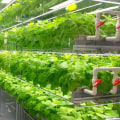
In an era where the challenges of climate change, food security, and environmental degradation loom large, the concepts of organic farming and subsistence agriculture emerge as vital components of a sustainable agricultural future. Organic farming emphasizes the use of natural processes and materials, steering clear of synthetic fertilizers and pesticides. This method not only nurtures the soil but also fosters biodiversity, creating a more resilient ecosystem. On the other hand, subsistence farming focuses on producing enough food to meet the needs of the farmer's family, often relying on traditional practices that have been passed down through generations.The intersection of these two approaches presents a unique opportunity to rethink how we cultivate our land and feed our communities.
As global populations continue to rise, the demand for food increases exponentially. However, conventional agricultural practices often prioritize short-term yields over long-term sustainability, leading to soil depletion and increased reliance on chemical inputs. In contrast, organic and subsistence farming methods promote a holistic view of agriculture that prioritizes ecological balance and community well-being.By integrating organic principles into subsistence farming, we can enhance food security while also protecting our natural resources. This synergy not only supports local economies but also empowers farmers to become stewards of their land.
As we look toward the future of agriculture, it is essential to recognize the potential benefits of these practices in addressing pressing global issues such as hunger, poverty, and environmental degradation.Ultimately, embracing organic farming and subsistence agriculture can lead us toward a more sustainable and equitable food system. By valuing traditional knowledge alongside modern innovations, we can create agricultural practices that are not only productive but also environmentally sound and socially responsible.
Understanding Subsistence Farming
Subsistence farming is a traditional agricultural practice where farmers grow food primarily for their own consumption rather than for sale in the market. This method of farming is characterized by small-scale operations that rely heavily on local resources and labor. In many cases, subsistence farmers cultivate a variety of crops and raise livestock to meet the diverse dietary needs of their families.Characteristics of Subsistence Farming
- Small Scale: Subsistence farms are typically small plots of land, often less than two hectares, where families work together to produce food.
- Diverse Cropping: Farmers often grow multiple types of crops, including grains, vegetables, and fruits, to ensure a balanced diet and reduce the risk of crop failure.
- Low Input: This farming method relies on minimal use of external inputs such as fertilizers and pesticides, focusing instead on natural methods to maintain soil fertility and pest control.
- Labor Intensive: Subsistence farming is labor-intensive, with family members contributing their time and effort to cultivate the land and tend to livestock.
- Local Knowledge: Farmers often utilize traditional knowledge passed down through generations, adapting their practices to local environmental conditions.
Importance of Subsistence Farming
Subsistence farming plays a crucial role in food security, particularly in developing countries.
It provides a reliable source of nutrition for families who may not have access to commercial food markets. By growing their own food, these farmers can ensure that they have enough to eat, even in times of economic hardship or natural disasters.Moreover, subsistence farming supports local economies by keeping resources within the community. Farmers often trade surplus produce with neighbors or sell it at local markets, fostering economic interdependence. This practice not only strengthens community ties but also promotes sustainable agricultural practices that are better suited to local ecosystems.In summary, subsistence farming is more than just a means of survival; it is a vital component of cultural identity and community resilience.
As we look towards the future of agriculture, understanding the significance of subsistence farming can help inform policies that support sustainable practices and enhance food security for vulnerable populations.
The Principles of Organic Farming
Organic farming is grounded in a set of principles that prioritize ecological balance, sustainability, and the health of both the environment and the consumer. These principles guide farmers in their practices, ensuring that agriculture can be both productive and environmentally friendly.- Soil Health: At the heart of organic farming is the commitment to maintaining and enhancing soil health. Organic farmers utilize techniques such as cover cropping, crop rotation, and composting to enrich the soil with organic matter. This not only improves soil structure but also promotes biodiversity within the soil ecosystem, leading to healthier crops. At the heart of organic farming is the commitment to maintaining and enhancing soil health. Organic farmers utilize techniques such as cover cropping, crop rotation, and composting to enrich the soil with organic matter. This not only improves soil structure but also promotes biodiversity within the soil ecosystem, leading to healthier crops.
- Biodiversity: Organic farming encourages a diverse range of plants and animals on the farm.
By cultivating a variety of crops and integrating livestock, farmers can create a balanced ecosystem that reduces pest outbreaks and disease. This diversity also contributes to resilience against climate change and other environmental stresses.
- Natural Pest Management: Instead of relying on synthetic pesticides, organic farmers employ natural pest control methods. This includes introducing beneficial insects, using traps, and applying organic-approved substances. These practices help maintain pest populations at manageable levels while minimizing harm to non-target species.
- Crop Rotation: A fundamental practice in organic farming is crop rotation, which involves alternating the types of crops grown in a particular area over time.
This method helps prevent soil depletion, reduces pest and disease cycles, and enhances nutrient availability in the soil.
- Minimal Chemical Use: Organic farming strictly limits the use of synthetic fertilizers and pesticides. Instead, it promotes the use of natural inputs such as manure, bone meal, and plant-based fertilizers. This approach not only protects water quality but also ensures that food produced is free from harmful chemical residues.
- Sustainability: The overarching goal of organic farming is sustainability. By focusing on practices that are environmentally sound and economically viable, organic farmers contribute to a food system that can endure for future generations.
This includes conserving water resources, reducing carbon footprints, and promoting local food systems.
Benefits of Organic Farming for the Environment
Organic farming practices offer a multitude of environmental benefits that are crucial for the sustainability of our planet. By prioritizing natural processes and minimizing synthetic inputs, organic farming contributes significantly to the health of ecosystems.Promoting Biodiversity
One of the most notable advantages of organic farming is its positive impact on biodiversity. Organic farms often feature a variety of crops and livestock, which creates a more diverse habitat for various species.
This diversity is essential for maintaining ecological balance and resilience. Unlike conventional monoculture systems, which can deplete soil nutrients and reduce habitat availability, organic farms encourage a rich tapestry of life. This includes:
- Beneficial insects, such as pollinators and natural pest predators.
- Soil microorganisms that enhance nutrient cycling and soil structure.
- A variety of plant species that support different wildlife.
Improving Soil Health
Soil health is another critical area where organic farming excels. Organic practices focus on building healthy soils through methods such as crop rotation, cover cropping, and the application of organic matter like compost.
These techniques help:
- Enhance soil structure and aeration, allowing for better water infiltration.
- Increase organic matter content, which improves nutrient retention and availability.
- Support a diverse community of soil organisms that contribute to nutrient cycling.
Reducing Pollution
Organic farming significantly reduces pollution levels associated with agricultural practices. By avoiding synthetic fertilizers and pesticides, organic farmers minimize the risk of chemical runoff into waterways, which can lead to harmful algal blooms and aquatic dead zones. Additionally, organic methods often utilize natural pest control strategies that do not harm non-target species or disrupt local ecosystems. This commitment to environmental stewardship helps protect water quality and promotes healthier ecosystems.In conclusion, the environmental benefits of organic farming are profound and far-reaching.
By fostering biodiversity, enhancing soil health, and reducing pollution, organic agriculture not only supports sustainable food production but also plays a vital role in preserving our planet for future generations.
Health Benefits of Organic Produce
As consumers become increasingly health-conscious, the demand for organic produce has surged. This shift is largely due to the numerous health benefits associated with organic farming practices. Unlike conventionally grown food, which often relies on synthetic fertilizers and pesticides, organic produce is cultivated using natural methods that prioritize soil health and biodiversity.One of the most significant advantages of consuming organic food is its higher nutritional value. Research indicates that organic fruits and vegetables often contain higher levels of essential nutrients, including vitamins, minerals, and antioxidants.For instance, studies have shown that organic tomatoes can have up to 50% more vitamin C compared to their conventional counterparts. This increase in nutrient density is attributed to the healthier soil conditions and the absence of chemical inputs that can hinder plant growth.Moreover, organic farming practices enhance the flavor profile of produce. Many consumers report that organic fruits and vegetables taste better than those grown conventionally. This improved taste can be linked to the natural growing conditions that allow plants to develop their full flavor potential without the interference of artificial growth enhancers.Another critical aspect of organic produce is its lower pesticide residue levels.
Conventional farming often involves the use of harmful chemicals that can remain on food even after washing. In contrast, organic standards prohibit synthetic pesticides, resulting in cleaner produce that poses less risk to human health. This is particularly important for vulnerable populations such as children, who are more susceptible to the adverse effects of chemical exposure.Additionally, consuming organic food may contribute to a reduced risk of chronic diseases. Some studies suggest that individuals who regularly consume organic produce have a lower incidence of conditions such as obesity, diabetes, and certain types of cancer.
The anti-inflammatory properties found in many organic foods are believed to play a role in this protective effect.In summary, the health benefits of organic produce extend beyond mere nutrition; they encompass enhanced flavor, reduced chemical exposure, and potential disease prevention. As more people recognize these advantages, the preference for organic over conventional food continues to grow, paving the way for a healthier future.
Economic Advantages of Organic Farming for Farmers
Organic farming presents a multitude of economic advantages for farmers, particularly in an era where consumer preferences are shifting towards healthier and more sustainable food options. One of the most significant benefits is the increasing market demand for organic products. As awareness of the health and environmental benefits of organic farming grows, consumers are willing to pay a premium for organic produce.This trend has led to a substantial rise in the market for organic goods, providing farmers with an opportunity to enhance their profitability.According to recent studies, organic farms often achieve higher prices for their products compared to conventional farms. This price differential can significantly boost the overall income of farmers who choose to adopt organic practices. For instance, organic fruits and vegetables can command prices that are 20% to 100% higher than their non-organic counterparts, depending on the crop and market conditions. This premium pricing not only increases revenue but also allows farmers to invest in better farming practices and technologies.Moreover, the profitability of organic farms is not solely dependent on higher prices; it is also influenced by lower input costs.
Organic farming typically relies on natural fertilizers and pest control methods, which can reduce dependency on expensive synthetic chemicals. By minimizing these costs, farmers can improve their profit margins while maintaining sustainable practices.Another economic advantage lies in the potential for diversification. Organic farmers often grow a variety of crops, which can help mitigate risks associated with market fluctuations or crop failures. This diversification not only stabilizes income but also enhances soil health and biodiversity on the farm.Furthermore, as more consumers seek out local and organic options, farmers can benefit from direct-to-consumer sales channels such as farmers' markets, community-supported agriculture (CSA) programs, and online sales.
These avenues allow farmers to retain a larger share of the retail price compared to traditional distribution methods.In conclusion, the economic benefits of organic farming extend beyond just higher prices. With increasing market demand, reduced input costs, diversification opportunities, and direct sales channels, organic farming presents a viable path for farmers looking to enhance their profitability while contributing positively to the environment and community.
Challenges Facing Organic and Subsistence Farmers
Organic and subsistence farmers face a myriad of challenges that can hinder their ability to produce food sustainably and efficiently. Understanding these obstacles is crucial for developing effective solutions that promote sustainable agriculture.Challenges in Organic Farming
One of the primary challenges organic farmers encounter is the higher cost of production. Organic farming often requires more labor-intensive practices, such as manual weeding and the use of organic fertilizers, which can lead to increased operational costs.Additionally, organic seeds and inputs can be more expensive than their conventional counterparts.Another significant hurdle is market access. Organic products often require certification, which can be a lengthy and costly process. Farmers may struggle to find markets willing to pay a premium for organic goods, especially in regions where consumer awareness of organic benefits is low.Furthermore, organic farmers must contend with pest management challenges. Without synthetic pesticides, they rely on natural pest control methods, which may not always be as effective or timely as chemical alternatives.
This can lead to crop losses and reduced yields.
Obstacles for Subsistence Farmers
Subsistence farmers, who primarily grow food for their families rather than for sale, face unique challenges as well. One major issue is limited access to resources , including land, water, and financial capital. Many subsistence farmers operate on small plots of land with inadequate irrigation systems, making it difficult to produce enough food year-round.Additionally, subsistence farmers often lack access to education and training in modern agricultural techniques. This knowledge gap can prevent them from adopting more sustainable practices that could enhance their productivity and resilience against climate change.Solutions for Sustainable Agriculture Challenges
To address these challenges, several solutions can be implemented:- Financial support: Providing subsidies or low-interest loans can help offset the higher costs associated with organic farming.
- Education programs: Implementing training initiatives focused on sustainable practices can empower both organic and subsistence farmers with the knowledge they need to succeed.
- Community cooperatives: Forming cooperatives can enhance market access for small-scale farmers by pooling resources and sharing knowledge.
- Sustainable pest management: Promoting integrated pest management (IPM) strategies can help organic farmers manage pests effectively without relying on synthetic chemicals.
The Role of Technology in Organic Farming and Subsistence Practices
As the world faces increasing challenges related to food security, climate change, and environmental degradation, the integration of technology into organic farming and subsistence practices is becoming increasingly vital.These innovations not only enhance productivity but also promote sustainability, ensuring that farming methods can meet the needs of current and future generations.One of the most significant advancements in organic farming is the use of precision agriculture technologies. These tools allow farmers to monitor crop health, soil conditions, and weather patterns with remarkable accuracy. For instance, drone technology can be employed to survey fields, providing real-time data on crop growth and identifying areas that require attention. This targeted approach minimizes resource waste and maximizes yield potential.Moreover, mobile applications are transforming how subsistence farmers access information.
These apps can provide guidance on best practices for organic farming, pest management, and soil health. By connecting farmers with agricultural experts and resources, these technologies empower them to make informed decisions that enhance their productivity while adhering to organic principles.Another promising innovation is the development of sustainable irrigation systems. Technologies such as drip irrigation and rainwater harvesting not only conserve water but also ensure that crops receive the optimal amount of moisture. This is particularly crucial for subsistence farmers who often operate in regions with limited water resources.
Biotechnology
, while often associated with conventional agriculture, is also making strides in organic farming.
Techniques such as microbial inoculants can improve soil fertility and plant health without resorting to synthetic fertilizers. These biological solutions enhance nutrient availability and promote a thriving ecosystem within the soil.The future of agriculture lies in the harmonious blend of traditional practices with modern technology. As we look ahead, it is essential to continue investing in research and development that focuses on sustainable farming technologies. By doing so, we can ensure that both organic farming and subsistence practices not only survive but thrive in an ever-changing world.
Case Studies: Successful Organic and Subsistence Farms Around the World
Across the globe, numerous organic and subsistence farms have emerged as beacons of sustainable agriculture, showcasing innovative practices that not only enhance food security but also promote environmental stewardship.Here are some notable case studies that highlight the success of these farming methods.
1.The Zai Technique in Burkina Faso
In Burkina Faso, farmers have adopted the Zai technique, a traditional method that involves digging small pits to capture rainwater and concentrate nutrients. This practice has transformed arid land into productive fields, allowing subsistence farmers to grow crops like millet and sorghum even in challenging climates. By integrating organic compost into these pits, farmers enhance soil fertility while minimizing reliance on chemical fertilizers.2.The Sikkim Organic Mission in India
Sikkim, a small state in India, has become a pioneer in organic farming by implementing the Sikkim Organic Mission. This initiative transitioned the entire state to organic agriculture, promoting local crops and biodiversity.Farmers have reported increased yields and improved soil health, demonstrating that large-scale organic farming can be both feasible and profitable. The mission has also boosted local economies by enhancing the market for organic produce.
3.The Agroecological Practices of Cuba
Following the collapse of the Soviet Union, Cuba faced severe food shortages, prompting a shift towards agroecological practices. Urban gardens and community-supported agriculture initiatives flourished, allowing city dwellers to grow their own food organically. These practices not only improved food security but also fostered community resilience and reduced dependence on imported goods.4.The Permaculture Movement in Australia
The permaculture movement in Australia has gained traction as a sustainable farming approach that mimics natural ecosystems.Farms utilizing permaculture principles focus on biodiversity, soil health, and water conservation. Successful examples include the work of Geoff Lawton at the Permaculture Research Institute, where innovative designs have led to productive landscapes that support both human needs and ecological balance.These case studies illustrate that organic and subsistence farming practices can lead to successful outcomes globally. By prioritizing sustainability and community well-being, these farms not only contribute to food security but also serve as models for future agricultural practices.
<strong>Conclusion</strong>
In conclusion, the future of agriculture is increasingly leaning towards sustainable practices, with organic farming at the forefront. As we face pressing global challenges such as climate change, food security, and biodiversity loss, the adoption of organic methods, including subsistence farming, offers a viable path forward.This approach not only enhances soil health and reduces chemical dependency but also fosters a more resilient agricultural system that can withstand environmental stresses.Organic farming emphasizes the importance of working in harmony with nature. By utilizing natural inputs and promoting biodiversity, farmers can create ecosystems that are self-sustaining and less reliant on external resources. This is particularly crucial for subsistence farming, where small-scale farmers depend on their land for survival. Implementing organic practices can lead to improved crop yields and better nutrition for families, ultimately contributing to community well-being.Moreover, organic farming supports local economies by encouraging farmers to sell their produce directly to consumers.
This not only strengthens community ties but also reduces the carbon footprint associated with transporting food over long distances. As consumers become more aware of the benefits of organic products, there is a growing market for sustainably produced food, which can provide smallholder farmers with better income opportunities.As we look ahead, it is essential to invest in education and resources that empower farmers to transition to organic methods. Governments and organizations must collaborate to provide training programs, access to organic seeds, and financial support for those willing to adopt these practices. By prioritizing subsistence farming within the broader context of organic agriculture, we can ensure that even the most vulnerable communities have access to healthy food and sustainable livelihoods.Ultimately, the shift towards organic farming represents not just a change in agricultural practices but a fundamental rethinking of our relationship with food production.
By embracing these principles, we can cultivate a healthier planet for future generations while ensuring that all communities have the means to thrive.