Subsistence farming is a time-honored agricultural practice that has sustained communities for generations. At its core, this method focuses on growing enough food to meet the immediate needs of the farmer and their family, rather than producing surplus for sale in the market. This approach not only fosters self-sufficiency but also plays a crucial role in promoting sustainable agriculture. By prioritizing local food production, subsistence farming helps to reduce reliance on industrial agriculture, which often comes with significant environmental costs.The importance of subsistence farming extends beyond mere food security.
In many developing regions, it serves as a lifeline for rural populations, providing essential nutrients and livelihoods. As global challenges such as climate change and resource depletion intensify, the resilience offered by subsistence farming becomes increasingly vital. These small-scale farms often utilize traditional knowledge and practices that are inherently sustainable, such as crop rotation and polyculture, which enhance biodiversity and soil health.Moreover, subsistence farming contributes to environmental health by minimizing the use of chemical fertilizers and pesticides that are prevalent in large-scale agricultural operations. Farmers who engage in subsistence practices tend to rely on organic methods, which not only protect local ecosystems but also promote the conservation of water resources.
This harmonious relationship with nature is essential for maintaining the delicate balance required for sustainable food systems.In summary, understanding the role of subsistence farming is critical in the broader context of sustainable agriculture. It highlights the interconnectedness of food security, environmental stewardship, and community resilience. As we explore environmentally friendly farming practices, recognizing the significance of subsistence farming will provide valuable insights into how we can cultivate a more sustainable future for all.
1.Cover Crops: Enhancing Soil Health
Cover crops are an essential component of sustainable agriculture, particularly for subsistence farmers who rely on their land for food security. These crops, which are planted during the off-season or alongside main crops, serve multiple purposes that significantly enhance soil health and overall farm productivity.One of the primary benefits of cover crops is their ability to improve soil structure.By planting species such as clover, rye, or vetch, farmers can increase organic matter in the soil. This organic matter not only enhances soil fertility but also improves its ability to retain moisture, which is crucial in areas prone to drought.Moreover, cover crops play a vital role in preventing soil erosion. The roots of these plants help bind the soil together, reducing the risk of topsoil loss during heavy rains or wind events. This is particularly important for subsistence farming, where maintaining healthy soil is directly linked to crop yields and food availability.In addition to erosion control, cover crops contribute to biodiversity on the farm.
They provide habitat for beneficial insects and microorganisms that can help control pests and diseases naturally. This biodiversity is essential for creating a balanced ecosystem that supports sustainable farming practices.Another significant advantage of using cover crops is their ability to suppress weeds. By covering the ground with vegetation, these crops can outcompete weeds for sunlight and nutrients, reducing the need for chemical herbicides. This not only lowers production costs but also minimizes environmental impact, aligning with the principles of sustainable agriculture.Furthermore, certain cover crops can fix nitrogen in the soil, enriching it naturally without the need for synthetic fertilizers.
Leguminous cover crops like peas and beans are particularly effective at this, making them a valuable addition to any subsistence farming strategy aimed at enhancing soil health.In summary, incorporating cover crops into farming practices offers numerous benefits that are especially advantageous for subsistence farmers. From improving soil structure and preventing erosion to enhancing biodiversity and suppressing weeds, these crops are a powerful tool in promoting sustainable agriculture. By adopting cover cropping strategies, farmers can ensure healthier soils and more resilient farming systems that support both their livelihoods and the environment.
2.Organic Farming: Reducing Chemical Dependency
Organic farming is a holistic approach to agriculture that emphasizes the use of natural processes and materials, aiming to create a sustainable ecosystem. This method significantly reduces dependency on synthetic chemicals, which can have detrimental effects on both the environment and human health.By focusing on organic practices, farmers can enhance soil fertility, promote biodiversity, and improve water quality.One of the core principles of organic farming is the use of natural fertilizers such as compost, manure, and cover crops. These organic inputs not only nourish the soil but also help in maintaining its structure and health over time. In contrast to conventional farming, which often relies on chemical fertilizers that can leach into waterways and disrupt local ecosystems, organic methods foster a more balanced nutrient cycle.Another significant aspect of organic farming is the emphasis on biodiversity. By cultivating a variety of crops and integrating livestock into farming systems, organic farmers can create resilient agricultural landscapes.
This diversity helps to control pests naturally, reducing the need for harmful pesticides. For instance, planting companion crops can deter pests while enhancing pollination, leading to healthier yields.The benefits of organic farming extend beyond environmental health; they also support the economic viability of subsistence farming. Farmers who adopt organic practices often find that they can command higher prices for their products in local and global markets. This economic incentive encourages more farmers to transition to organic methods, thereby promoting sustainable agricultural practices.Moreover, organic farming contributes to climate change mitigation.
By enhancing soil carbon sequestration through practices like cover cropping and reduced tillage, organic farms can play a crucial role in reducing greenhouse gas emissions. Healthy soils not only store carbon but also improve water retention, making farms more resilient to droughts and floods.In summary, organic farming represents a vital strategy for reducing chemical dependency in agriculture. Its principles align closely with sustainable practices that benefit both the environment and the livelihoods of farmers engaged in subsistence agriculture. By prioritizing natural methods and biodiversity, organic farming not only protects our planet but also ensures food security for future generations.
3.Agroforestry: Integrating Trees and Crops
Agroforestry is an innovative approach to land management that merges agricultural practices with forestry, creating a symbiotic relationship between crops and trees.This method not only enhances biodiversity but also promotes sustainable land use, making it a vital practice for subsistence farming.By integrating trees into farming systems, agroforestry offers numerous benefits that can significantly improve both environmental health and agricultural productivity. Here are some key advantages:
- Enhanced Biodiversity: Agroforestry systems support a wider variety of plant and animal species compared to monoculture farming. The presence of trees provides habitats for wildlife, which can help control pests naturally and improve pollination.
- Soil Health Improvement: The roots of trees help to stabilize the soil, reducing erosion and enhancing its structure. Additionally, fallen leaves and organic matter from trees contribute to soil fertility, promoting healthier crop growth.
- Water Conservation: Trees play a crucial role in the water cycle by improving infiltration and reducing runoff.
Their shade can also lower soil temperatures, which helps retain moisture during dry periods.
- Carbon Sequestration: By capturing carbon dioxide from the atmosphere, agroforestry contributes to climate change mitigation. Trees act as carbon sinks, storing carbon in their biomass and the surrounding soil.
- Diverse Income Streams: Farmers practicing agroforestry can benefit from multiple sources of income. In addition to traditional crops, they can harvest fruits, nuts, timber, and other tree products, providing economic resilience.
For subsistence farmers, who often face challenges such as limited resources and changing climate conditions, agroforestry can be a game-changer.In conclusion, agroforestry represents a sustainable land use strategy that not only supports agricultural productivity but also fosters environmental stewardship. By embracing this practice, farmers can create resilient ecosystems that benefit both their livelihoods and the planet.
4.Zero Tillage: Preserving Soil Structure
Zero tillage, also known as no-till farming, is a revolutionary approach that significantly contributes to soil preservation and sustainable agriculture. This method involves planting crops without disturbing the soil through traditional tilling practices. By leaving the soil undisturbed, farmers can maintain its natural structure, which is crucial for fostering a healthy ecosystem.One of the primary benefits of zero tillage is its ability to preserve soil moisture.When soil is tilled, it can lead to increased evaporation rates, resulting in a loss of valuable water resources. In contrast, zero tillage helps retain moisture by maintaining a protective layer of organic matter on the soil surface. This not only conserves water but also reduces the need for irrigation, making it an ideal practice for regions facing water scarcity.Moreover, zero tillage plays a vital role in reducing soil erosion. Traditional tilling can expose soil to wind and water erosion, leading to nutrient loss and degradation of the land.
By minimizing soil disturbance, zero tillage helps protect the topsoil—the most fertile layer—ensuring that essential nutrients remain intact for future crops. This practice is particularly beneficial in areas prone to heavy rainfall or strong winds.In addition to these environmental benefits, zero tillage promotes biodiversity within the soil ecosystem. The undisturbed soil allows for the proliferation of beneficial microorganisms and earthworms, which contribute to nutrient cycling and improve soil health. A diverse microbial community enhances the soil's ability to support plant growth and resilience against pests and diseases.Implementing zero tillage requires careful planning and management.
Farmers often utilize cover crops as part of this system, which help suppress weeds and provide organic matter when they decompose. This combination not only enhances soil structure but also contributes to carbon sequestration, further mitigating climate change impacts.In conclusion, zero tillage stands out as a powerful technique in the realm of sustainable farming. By preserving soil structure and moisture while reducing erosion, it fosters healthier ecosystems and promotes long-term agricultural productivity. As more farmers adopt this practice, we can look forward to a more sustainable future in agriculture.
5.Urban Agriculture: Localizing Food Production
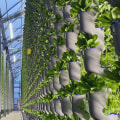
Urban agriculture has emerged as a vital component in the quest for sustainable food systems, particularly within the context of subsistence farming.By localizing food production, urban farming not only addresses food security but also significantly reduces the carbon footprint associated with transporting food over long distances.One of the primary benefits of urban agriculture is its ability to create a more resilient community. When food is grown locally, it fosters a sense of community ownership and responsibility. Residents become more engaged in their food sources, leading to increased awareness about nutrition and sustainable practices. This engagement can be particularly beneficial in urban areas where access to fresh produce is limited.
Benefits of Urban Farming
- Reduction of Food Deserts: Urban agriculture can help eliminate food deserts—areas with limited access to affordable and nutritious food.
By establishing community gardens and urban farms, residents can grow their own fruits and vegetables, ensuring they have access to healthy options.
- Environmental Impact: Urban farms contribute to biodiversity by providing habitats for various species. They also help mitigate urban heat effects and improve air quality through the natural processes of plants.
- Economic Opportunities: Urban agriculture can create jobs and stimulate local economies. By supporting local farmers' markets and community-supported agriculture (CSA) programs, cities can keep money circulating within the community.
- Education and Skill Development: Urban farming initiatives often include educational programs that teach residents about sustainable practices, gardening techniques, and nutrition. This knowledge empowers individuals to take control of their food sources.
This practice not only enhances food sovereignty but also encourages self-sufficiency among urban dwellers.In conclusion, urban agriculture serves as a powerful tool for localizing food production, reducing environmental impacts, and enhancing community resilience. By integrating these practices into our cities, we can create a more sustainable future that prioritizes both people and the planet.
Frequently Asked Questions about Environmentally Friendly Farming Practices
As the conversation around sustainable agriculture continues to grow, many individuals and communities are seeking clarity on environmentally friendly farming practices, particularly in the context of subsistence farming. Below are some frequently asked questions that address common concerns and misconceptions.What is subsistence farming?
Subsistence farming is a type of agriculture where farmers grow food primarily for their own consumption rather than for sale. This practice is often characterized by small-scale operations that rely on traditional methods and local resources.It plays a crucial role in food security, especially in developing regions.
How can subsistence farmers implement environmentally friendly practices?
Subsistence farmers can adopt several environmentally friendly practices to enhance sustainability:- Crop Rotation: Alternating different crops in the same area across seasons can improve soil health and reduce pest infestations.
- Organic Fertilizers: Utilizing compost and natural fertilizers instead of synthetic options helps maintain soil fertility without harming the ecosystem.
- Water Conservation Techniques: Implementing rainwater harvesting and drip irrigation can significantly reduce water usage while ensuring crops receive adequate moisture.
What are the benefits of environmentally friendly farming practices?
The benefits of adopting environmentally friendly practices in subsistence farming include:- Improved Soil Health: Practices like cover cropping and reduced tillage enhance soil structure and nutrient content.
- Biodiversity Preservation: By promoting diverse crop varieties, farmers can create resilient ecosystems that support various species.
- Economic Stability: Sustainable practices can lead to lower input costs and higher yields over time, improving the economic viability of small farms.
Are there any challenges to implementing these practices?
While the benefits are significant, subsistence farmers may face challenges such as limited access to resources, knowledge gaps regarding sustainable techniques, and external pressures from market demands. However, community support and education can help overcome these barriers.In conclusion, understanding and addressing these frequently asked questions can empower subsistence farmers to adopt environmentally friendly practices that not only benefit their immediate environment but also contribute to global sustainability efforts.Conclusion: The Path Forward for Sustainable Subsistence Farming
As we reflect on the critical role of sustainable subsistence farming in our global food system, it becomes clear that the adoption of environmentally friendly practices is not merely beneficial but essential for the future of agriculture. The practices discussed throughout this article—cover crops, urban agriculture, organic farming, zero tillage, and agroforestry—represent a holistic approach to farming that prioritizes ecological balance and resource conservation.Each of these methods contributes uniquely to enhancing soil health, increasing biodiversity, and reducing reliance on chemical inputs. For instance, cover crops not only prevent soil erosion but also improve nutrient cycling, which is vital for maintaining productive land.Similarly, urban agriculture offers innovative solutions to food deserts while promoting local economies and reducing transportation emissions.Moreover, the shift towards organic farming practices fosters a healthier ecosystem by minimizing synthetic fertilizers and pesticides. This transition is crucial for protecting pollinators and other beneficial organisms that are integral to sustainable food production. The implementation of zero tillage techniques further enhances soil structure and moisture retention, making farms more resilient to climate variability.Lastly, agroforestry integrates trees into agricultural landscapes, providing multiple benefits such as shade for crops, habitat for wildlife, and additional income sources for farmers through timber or fruit production.In summary, the future of agriculture hinges on our ability to embrace these environmentally friendly practices within subsistence farming systems. By doing so, we not only safeguard our natural resources but also ensure food security for generations to come.
The path forward is clear: adopting sustainable practices is not just an option; it is a necessity for a thriving planet and a resilient agricultural future.