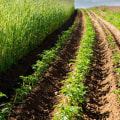
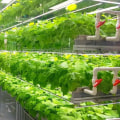
Sustainable agriculture represents a transformative approach to farming that prioritizes the health of our planet while ensuring food security for current and future generations. At its core, sustainable agriculture is defined as a method of farming that meets the needs of the present without compromising the ability of future generations to meet their own needs. This concept is increasingly vital as we face pressing environmental challenges such as climate change, soil degradation, and biodiversity loss. By adopting sustainable food practices, farmers can enhance productivity while minimizing their ecological footprint.The importance of sustainable agriculture cannot be overstated.
It serves as a bridge between traditional farming methods and modern agricultural innovations, allowing for a more holistic approach to food production. Sustainable practices encompass a wide range of techniques, including crop rotation, organic farming, and integrated pest management. These methods not only improve soil health and reduce dependency on chemical fertilizers but also promote biodiversity and protect water resources. As we strive to feed a growing global population, the need for sustainable solutions becomes even more critical.Moreover, the benefits of sustainable agriculture extend beyond environmental considerations.
Economically, it can lead to increased resilience for farmers by diversifying crops and reducing input costs over time. Socially, it fosters community engagement and supports local economies by encouraging the consumption of locally produced food. By understanding and implementing sustainable agricultural practices, we can create a food system that is not only productive but also equitable and environmentally sound.
What is Subsistence Farming?
Subsistence farming
is a traditional agricultural practice where farmers grow food primarily for their own consumption rather than for sale in the market. This method of farming is often characterized by small-scale operations, where the focus is on producing enough food to meet the needs of the farmer's family and community.
In many cases, subsistence farmers rely on a variety of crops and livestock to ensure a balanced diet and reduce the risk of crop failure.One of the defining characteristics of subsistence farming is its reliance on local resources and knowledge. Farmers typically use traditional techniques passed down through generations, which are well-suited to their specific environmental conditions. This can include practices such as crop rotation, intercropping, and organic fertilization, all of which contribute to maintaining soil health and biodiversity.Another important aspect of subsistence farming is its adaptability to local climates and ecosystems. For instance, in regions with limited rainfall, farmers may cultivate drought-resistant crops like millet or sorghum.
In contrast, areas with abundant water resources might focus on rice or other water-intensive crops. This adaptability not only helps ensure food security for the farming families but also promotes sustainable agricultural practices that align with the principles of sustainable agriculture.Examples of subsistence farming can be found worldwide:
- In Africa: Many rural communities engage in subsistence farming by growing staple crops such as maize, cassava, and beans. These crops are often complemented by small livestock like chickens or goats.
- In Asia: Countries like India and Bangladesh have a long history of subsistence farming, where families cultivate rice, wheat, and pulses using traditional methods.
- In Latin America: Indigenous communities often practice subsistence agriculture by growing corn, potatoes, and quinoa in diverse agroecosystems that support both their dietary needs and cultural traditions.
The Role of Subsistence Farming in Sustainable Agriculture
Subsistence farming plays a pivotal role in the framework of sustainable agriculture , particularly in developing regions where food security is a pressing concern.This form of agriculture is characterized by small-scale farming practices where farmers grow food primarily for their own consumption rather than for sale in the market. By focusing on local food production, subsistence farming not only enhances food security but also contributes significantly to the sustainability of agricultural practices.One of the most significant benefits of subsistence farming is its ability to promote local food production. Farmers who engage in subsistence agriculture often cultivate a diverse range of crops, which helps to maintain biodiversity and resilience within local ecosystems. This diversity is crucial as it reduces dependency on a single crop, thereby minimizing the risk of crop failure due to pests, diseases, or adverse weather conditions.
Furthermore, by growing a variety of crops, subsistence farmers can better meet their nutritional needs and those of their families.In addition to enhancing food security, subsistence farming has a lower environmental impact compared to industrial agriculture. Traditional farming methods employed by subsistence farmers often rely on organic practices, such as crop rotation and natural pest control, which help preserve soil health and reduce chemical runoff into nearby water sources. These practices not only protect the environment but also contribute to the long-term viability of the land.Moreover, subsistence farming fosters community resilience. When local communities produce their own food, they become less reliant on external markets and global supply chains that can be volatile and unpredictable.
This self-sufficiency is particularly important in times of crisis, such as during economic downturns or natural disasters, when access to food can be severely compromised.In conclusion, the integration of subsistence farming into sustainable agricultural practices is essential for promoting local food production, enhancing food security, and minimizing environmental impact. By supporting these small-scale farmers and their traditional methods, we can work towards a more sustainable future that prioritizes both human and environmental health.
Benefits of Sustainable Agriculture Practices in Subsistence Farming
Implementing sustainable agriculture practices in subsistence farming offers a multitude of benefits that extend beyond mere food production. These practices not only enhance the ecological balance but also provide significant economic opportunities for local communities.Ecological Benefits
- Soil Health: Sustainable practices such as crop rotation, cover cropping, and reduced tillage help maintain soil fertility and structure. This leads to healthier crops and reduces the need for chemical fertilizers, which can harm the environment.
- Biodiversity: By promoting diverse cropping systems, subsistence farmers can enhance biodiversity on their farms.
This diversity helps create resilient ecosystems that are better equipped to withstand pests and diseases.
- Water Conservation: Sustainable agriculture techniques often include rainwater harvesting and efficient irrigation methods, which conserve water resources. This is particularly crucial in areas prone to drought.
- Carbon Sequestration: Practices such as agroforestry and organic farming can help sequester carbon in the soil, mitigating climate change impacts.
Economic Benefits
- Cost Savings: By reducing reliance on synthetic inputs like fertilizers and pesticides, subsistence farmers can lower their production costs. This is especially important for smallholder farmers who operate on tight budgets.
- Market Opportunities: There is a growing demand for sustainably produced food. Farmers who adopt sustainable practices can tap into niche markets, potentially fetching higher prices for their products.
- Job Creation: Sustainable farming methods often require more labor than conventional practices.
This can lead to job creation within local communities, providing employment opportunities that contribute to economic stability.
- Community Resilience: By fostering local food systems through sustainable practices, communities become less reliant on external food sources. This enhances food security and strengthens local economies.
Challenges Faced by Subsistence Farmers
Subsistence farmers, who primarily grow food for their own consumption rather than for sale, face a myriad of challenges that significantly impact their ability to adopt sustainable agricultural practices. These challenges are often exacerbated by external factors such as climate change, economic instability, and limited access to resources.Climate Change Impacts
One of the most pressing issues for subsistence farmers is the impact of climate change.
Altered weather patterns, including unpredictable rainfall and extreme temperatures, can devastate crops that are vital for food security. For instance, prolonged droughts can lead to crop failures, while excessive rainfall can cause flooding and soil erosion. These climatic shifts not only threaten immediate harvests but also undermine the long-term viability of farming practices.
Limited Access to Resources
Another significant barrier is the limited access to essential resources such as quality seeds, fertilizers, and irrigation systems. Many subsistence farmers operate on small plots of land with minimal financial means, making it difficult to invest in improved agricultural technologies or sustainable practices.
Without access to high-quality inputs, farmers are often forced to rely on traditional methods that may not be as effective in the face of changing environmental conditions.
Economic Constraints
The economic constraints faced by subsistence farmers further complicate their situation. Many live in poverty and lack the financial stability needed to withstand crop failures or market fluctuations. This economic vulnerability can lead to a cycle of dependency on unsustainable practices, such as over-reliance on chemical fertilizers or pesticides, which may provide short-term benefits but ultimately degrade soil health and biodiversity.
Social and Educational Barriers
Additionally, social factors play a crucial role in the challenges faced by these farmers. Limited access to education and training on sustainable farming techniques can hinder their ability to adapt to new methods that could enhance productivity and resilience.
Community support networks are often weak, leaving farmers isolated in their struggles.In conclusion, addressing the challenges faced by subsistence farmers is essential for promoting sustainable agriculture. By improving access to resources, providing education on sustainable practices, and supporting community initiatives, we can empower these farmers to overcome barriers and contribute positively to food security and environmental sustainability.
Case Studies: Successful Examples of Sustainable Subsistence Farming
Across the globe, numerous examples of successful subsistence farming demonstrate how sustainable practices can lead to improved food security, environmental health, and community resilience. These case studies not only highlight effective methods but also provide valuable lessons for farmers and policymakers alike.One notable example is the Agroecological Farming Initiative in Brazil, where smallholder farmers have adopted agroecological principles to enhance their productivity while preserving biodiversity. By implementing crop rotation, intercropping, and organic fertilization techniques, these farmers have significantly increased their yields without relying on chemical inputs.This approach has not only improved soil health but also reduced the vulnerability of crops to pests and diseases.In India, the Zero Budget Natural Farming (ZBNF) movement has gained traction among subsistence farmers. This method emphasizes the use of local resources and natural inputs, allowing farmers to cultivate crops without incurring high costs associated with synthetic fertilizers and pesticides. Farmers practicing ZBNF have reported increased soil fertility and resilience against climate variability, showcasing a sustainable model that can be replicated in similar contexts.Another inspiring case is found in Kenya , where the Farmers' Cooperative has successfully integrated sustainable practices into their subsistence farming operations. By utilizing rainwater harvesting systems and adopting conservation agriculture techniques, these farmers have improved their water management and reduced soil erosion.
The cooperative model has also fostered community collaboration, enabling farmers to share resources and knowledge effectively.These case studies illustrate several best practices that can be adopted by subsistence farmers worldwide:
- Diverse Crop Systems: Planting a variety of crops can enhance resilience against pests and diseases while improving soil health.
- Community Collaboration: Forming cooperatives or local groups can facilitate resource sharing and collective learning.
- Water Management: Implementing rainwater harvesting and efficient irrigation techniques can optimize water use in farming.
- Natural Inputs: Utilizing organic fertilizers and pest control methods can reduce dependency on chemical inputs.
The Future of Sustainable Agriculture and Subsistence Farming
The future of sustainable agriculture is increasingly intertwined with the practices of subsistence farming, as these small-scale farmers play a vital role in food security and environmental stewardship. As global populations continue to rise, the demand for food will escalate, necessitating innovative approaches that prioritize sustainability while supporting local communities.One significant trend in sustainable agriculture is the shift towards agroecological practices. This approach emphasizes the use of local resources, biodiversity, and traditional knowledge, which are often hallmarks of subsistence farming.By integrating these methods, farmers can enhance soil health, improve crop resilience, and reduce dependency on chemical inputs. For instance, crop rotation and intercropping can help maintain soil fertility and control pests naturally, aligning with both sustainable practices and the needs of subsistence farmers.Moreover, the adoption of technology in subsistence farming is on the rise. Innovations such as mobile applications for weather forecasting, pest management, and market access are empowering smallholder farmers to make informed decisions. These tools not only increase productivity but also enhance the sustainability of their practices by promoting efficient resource use.To support the evolving role of subsistence farming within sustainable agriculture, several policy recommendations should be considered:
- Investment in Education: Providing training programs that focus on sustainable practices can equip subsistence farmers with the knowledge needed to adapt to changing environmental conditions.
- Access to Resources: Ensuring that smallholder farmers have access to credit, seeds, and organic fertilizers is crucial for their ability to implement sustainable practices.
- Market Support: Establishing fair trade policies and direct market access can help subsistence farmers receive better prices for their products, incentivizing sustainable farming methods.
- Research and Development: Funding research into sustainable agricultural techniques that are specifically tailored to local conditions can lead to more effective solutions for subsistence farmers.
By fostering an environment that supports these farmers through education, resources, and market access, we can create a more resilient food system that benefits both people and the planet.
Conclusion: The Path Forward for Sustainable Agriculture and Subsistence Farming
As we reflect on the critical role of sustainable agriculture, it becomes increasingly clear that subsistence farming is not merely a method of food production but a vital component of a resilient and sustainable future. Throughout this discussion, we have explored how sustainable practices can enhance food security, protect our natural resources, and support local economies.Subsistence farming, characterized by small-scale operations that primarily serve the needs of the farmer's family, embodies the principles of sustainability. By focusing on local resources and traditional knowledge, subsistence farmers can cultivate diverse crops that are well-suited to their specific environments. This not only promotes biodiversity but also reduces dependency on external inputs, which can be costly and environmentally damaging.Moreover, the integration of sustainable practices within subsistence farming can lead to significant benefits:- Environmental Protection: By employing techniques such as crop rotation, agroforestry, and organic fertilization, subsistence farmers can enhance soil health and reduce erosion.
- Economic Resilience: Supporting local food systems through subsistence farming can stimulate rural economies, create jobs, and reduce poverty.
- Cultural Preservation: Subsistence farming often involves traditional practices that are integral to cultural identity.
By valuing these methods, we help preserve heritage and knowledge for future generations.
- Investing in Education: Providing training and resources to subsistence farmers can empower them to adopt sustainable practices that enhance productivity while protecting the environment.
- Enhancing Access to Markets: Creating pathways for subsistence farmers to access local and regional markets can improve their economic viability and encourage sustainable practices.
- Encouraging Research and Innovation: Supporting research into sustainable agricultural methods tailored for subsistence farming can lead to innovative solutions that address local challenges.