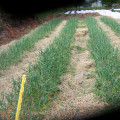
In recent years, the conversation surrounding agriculture has shifted significantly towards sustainable practices, with organic farmingorganic farming and subsistence farming emerging as pivotal components in this dialogue. Organic farming emphasizes the use of natural processes and materials, avoiding synthetic fertilizers and pesticides, which can have detrimental effects on the environment. On the other hand, subsistence farming focuses on producing enough food to meet the needs of the farmer's family, often relying on traditional methods that are inherently sustainable. Together, these practices not only address food security but also promote ecological balance.The significance of organic and subsistence farming extends beyond mere food production; they play a crucial role in enhancing biodiversity and preserving ecosystems.
By fostering a diverse range of crops and utilizing crop rotation techniques, these farming methods help maintain soil health and reduce the risk of pest outbreaks. This is particularly important in a world where monoculture practices have led to soil degradation and increased vulnerability to climate change. The integration of organic principles into subsistence farming can lead to improved yields while simultaneously protecting the environment.Moreover, both organic and subsistence farming contribute to local economies by empowering communities to become self-sufficient. Farmers engaged in these practices often rely on local resources and knowledge, which strengthens community ties and promotes resilience against external economic pressures.
As consumers increasingly seek out sustainably produced food, the demand for organic products continues to rise, providing farmers with new market opportunities that can enhance their livelihoods.In summary, the intersection of organic and subsistence farming presents a promising avenue for addressing some of the most pressing environmental challenges we face today. By prioritizing sustainability and ecological health, these practices not only ensure food security for future generations but also foster a more harmonious relationship between agriculture and the environment.
Understanding Subsistence Farming
Subsistence farming
is a traditional agricultural practice where farmers grow food primarily for their own consumption rather than for sale in the market. This method of farming is characterized by small-scale operations that rely heavily on family labor and local resources. The primary goal of subsistence farming is to meet the basic needs of the farmer and their family, ensuring food security and self-sufficiency.One of the defining characteristics of subsistence farming is its reliance on diverse crop production.
Farmers typically cultivate a variety of crops, which may include grains, vegetables, and fruits, to provide a balanced diet. This diversity not only helps in meeting nutritional needs but also reduces the risk of crop failure due to pests or adverse weather conditions. Additionally, subsistence farmers often practice crop rotation and intercropping, which enhance soil fertility and reduce the need for chemical fertilizers.Another important aspect of subsistence farming is its minimal use of external inputs. Farmers tend to utilize organic methods such as composting and natural pest control, which align closely with sustainable practices.
This approach not only preserves the health of the soil but also contributes to environmental conservation.The importance of subsistence farming extends beyond individual households; it plays a crucial role in local economies and food systems. In many developing regions, subsistence farming is a primary source of livelihood for millions of people. It fosters community resilience by providing food security and reducing dependency on imported goods. Furthermore, by keeping agricultural practices local, subsistence farming supports biodiversity and helps maintain cultural traditions associated with food production.In summary, subsistence farming is a vital practice that sustains families and communities while promoting environmental health.
Its characteristics—such as crop diversity, minimal external inputs, and focus on self-sufficiency—highlight its significance in achieving food security and supporting local economies.
The Principles of Organic Farming
Organic farming is grounded in a set of principles that prioritize sustainability, biodiversity, and soil health. These principles not only enhance agricultural productivity but also contribute significantly to environmental conservation. Understanding these core tenets is essential for anyone interested in the benefits of organic farming.Sustainability
is at the heart of organic farming. This approach seeks to create a balanced ecosystem where farming practices do not deplete natural resources or harm the environment.
By utilizing methods that promote ecological balance, organic farmers aim to produce food in a way that can be maintained for future generations. This includes practices such as crop rotation, which helps maintain soil fertility and reduces the need for synthetic fertilizers.Another fundamental principle is biodiversity. Organic farming encourages a diverse range of crops and livestock, which can lead to healthier ecosystems. Biodiversity helps to create resilience against pests and diseases, reducing the reliance on chemical pesticides.
By fostering a variety of species, organic farms can better withstand environmental stresses, such as climate change and extreme weather conditions.
Soil health
is also a critical focus in organic farming. Healthy soil is rich in organic matter and microorganisms that contribute to nutrient cycling and water retention. Organic farmers employ practices such as composting and cover cropping to enhance soil structure and fertility. These methods not only improve crop yields but also reduce erosion and runoff, protecting local waterways from pollution.Furthermore, organic farming promotes natural pest management.
Instead of relying on synthetic chemicals, organic farmers use biological controls, such as beneficial insects and natural repellents, to manage pests. This approach minimizes harm to non-target species and helps maintain ecological balance.In summary, the principles of organic farming—sustainability, biodiversity, and soil health—are interconnected and vital for promoting environmental conservation. By adhering to these principles, organic farmers not only produce healthier food but also contribute to a more sustainable agricultural system that benefits both people and the planet.
Environmental Benefits of Organic Farming
Organic farming practices offer a multitude of environmental benefits that significantly contribute to the health of our planet. One of the most notable advantages is the improvement of soil health.Unlike conventional farming, which often relies on synthetic fertilizers and pesticides, organic farming emphasizes the use of natural amendments and practices that enhance soil fertility. Techniques such as crop rotation, cover cropping, and the application of compost not only enrich the soil with essential nutrients but also promote a diverse microbial ecosystem. This diversity is crucial for maintaining soil structure, enhancing water retention, and preventing erosion.Furthermore, organic farming practices help to sequester carbon in the soil. By increasing organic matter through composting and reduced tillage, farmers can capture atmospheric carbon dioxide, mitigating the effects of climate change.
This process not only improves soil health but also contributes to a more stable climate.Another significant benefit of organic farming is its role in biodiversity conservation. Organic farms typically support a wider variety of plants and animals compared to their conventional counterparts. The absence of harmful chemicals allows for a more balanced ecosystem where beneficial insects, birds, and other wildlife can thrive. This biodiversity is essential for pollination, pest control, and overall ecosystem resilience.Moreover, organic farming encourages the preservation of native plant species and habitats.
By implementing practices such as agroforestry and permaculture, farmers can create environments that support both agricultural productivity and wildlife conservation. These methods not only enhance biodiversity but also provide essential ecosystem services such as water filtration and nutrient cycling.In addition to promoting soil health and biodiversity, organic farming significantly reduces pollution from chemicals. The reliance on natural pest control methods and organic fertilizers minimizes the risk of chemical runoff into nearby waterways. This reduction in pollution helps protect aquatic ecosystems and ensures cleaner water for surrounding communities.In summary, the environmental benefits of organic farming are profound and far-reaching.
By improving soil health, enhancing biodiversity, and reducing chemical pollution, organic farming practices contribute to a more sustainable agricultural system that supports both human health and the environment.
Subsistence Farming and Its Environmental Impact
Subsistence farming, characterized by small-scale agricultural practices aimed at meeting the needs of the farmer's family rather than for commercial sale, plays a crucial role in local ecosystems. This form of agriculture often employs sustainable practices that can significantly mitigate environmental degradation while promoting biodiversity.One of the primary benefits of subsistence farming is its reliance on traditional methods that prioritize ecological balance. Farmers typically use crop rotation, intercropping, and organic fertilizers, which enhance soil health and reduce the need for synthetic chemicals. These practices not only improve soil fertility but also help maintain the natural nutrient cycles essential for healthy ecosystems.Crop Rotation
is a sustainable practice where different crops are planted in succession on the same land.
This method helps prevent soil depletion and reduces pest populations by disrupting their life cycles. For instance, planting legumes after cereal crops can restore nitrogen levels in the soil, benefiting subsequent crops.
Intercropping
, or growing multiple crops in proximity, can also enhance biodiversity. By planting complementary species together, farmers can create a more resilient agricultural system that supports various organisms, from beneficial insects to soil microorganisms. This diversity can lead to improved pest control and reduced disease incidence.Moreover, subsistence farmers often utilize organic fertilizers , such as compost and manure, which contribute to healthier soils without the adverse effects associated with chemical fertilizers.
These organic amendments not only enrich the soil but also promote microbial activity, which is vital for nutrient cycling and overall soil health.In addition to these practices, subsistence farming fosters a deep connection between farmers and their local ecosystems. Farmers who rely on their immediate environment for sustenance tend to be more attuned to ecological changes and challenges. This awareness often leads to more sustainable land management practices that protect local flora and fauna.Furthermore, by maintaining diverse agricultural systems, subsistence farming can help preserve local genetic resources. This biodiversity is crucial for adapting to climate change and ensuring food security in the long term.In conclusion, subsistence farming has a profound impact on local ecosystems through its sustainable practices.
By prioritizing ecological balance and biodiversity, subsistence farmers not only meet their families' needs but also contribute positively to environmental health. As we continue to face global environmental challenges, recognizing and supporting these traditional farming methods will be essential for fostering sustainable agricultural systems worldwide.
Challenges Faced by Organic and Subsistence Farmers
Organic and subsistence farmers play a crucial role in promoting sustainable agriculture, yet they face numerous challenges that can hinder their efforts. Understanding these obstacles is essential for developing effective strategies to support these farmers and enhance their contributions to food security and environmental health.Economic Constraints
One of the primary challenges faced by both organic and subsistence farmers is economic constraints. Many of these farmers operate on tight budgets, which limits their ability to invest in necessary resources such as quality seeds, organic fertilizers, and pest control methods.
The initial costs associated with transitioning to organic farming can be particularly daunting. For instance, organic certification processes often require significant financial investment and time, which can deter small-scale farmers from pursuing organic practices.
Access to Resources
Access to essential resources is another significant barrier. Subsistence farmers, who often rely on traditional farming methods, may lack access to modern agricultural technologies that could improve their yields. This includes irrigation systems, advanced tools, and machinery that can enhance productivity.
Furthermore, organic farmers may struggle to find suppliers of organic inputs, as the market for these products can be limited in certain regions.
Climate Change Impacts
Climate change poses a formidable challenge for all farmers, but its effects are particularly pronounced for those practicing organic and subsistence farming. Erratic weather patterns, such as prolonged droughts or unexpected floods, can devastate crops and disrupt planting schedules. Additionally, changing climate conditions can lead to increased pest populations and the emergence of new diseases, further complicating the already challenging task of maintaining healthy crops without synthetic pesticides.
Market Access and Fair Pricing
Market access is another critical issue. Organic farmers often face challenges in reaching consumers who are willing to pay a premium for organic products.
Without proper marketing channels or support from local cooperatives, these farmers may struggle to sell their produce at fair prices. Similarly, subsistence farmers may find it difficult to access markets where they can sell surplus crops, limiting their income potential.
Conclusion
Addressing these challenges requires a multifaceted approach that includes policy support, access to education and training programs, and investment in infrastructure that facilitates resource availability. By recognizing the unique hurdles faced by organic and subsistence farmers, stakeholders can work together to create a more sustainable agricultural landscape that benefits both the environment and local communities.
Case Studies: Successful Organic Subsistence Farms
Organic subsistence farming has emerged as a powerful model for sustainable agriculture, demonstrating how small-scale farms can thrive while positively impacting the environment and local communities. Below are several case studies that highlight successful organic subsistence farms around the world.1.The Zapatista Communities in Chiapas, Mexico
The Zapatista movement has revitalized traditional farming practices in Chiapas, focusing on organic methods that respect the land and promote biodiversity.These communities have implemented agroecological techniques, such as crop rotation and intercropping, which not only enhance soil fertility but also reduce pest infestations without the use of synthetic chemicals. By prioritizing local food production, they have strengthened their food sovereignty and reduced reliance on external markets.
2.The Permaculture Project in Kerala, India
In Kerala, a group of farmers has adopted permaculture principles to create a self-sustaining ecosystem. This project emphasizes the importance of native crops and traditional farming methods, which have led to increased biodiversity and improved soil health. The farmers practice organic composting and natural pest control, resulting in higher yields and healthier produce.Additionally, this initiative has fostered community engagement through workshops and training sessions, empowering local farmers to adopt sustainable practices.
3.The Community Supported Agriculture (CSA) Model in Vermont, USA
In Vermont, several organic subsistence farms have embraced the Community Supported Agriculture (CSA) model, where consumers buy shares of the farm's harvest in advance. This approach not only provides farmers with upfront capital but also strengthens community ties by connecting consumers directly with their food sources. These farms focus on organic practices that enhance soil health and promote biodiversity, leading to a more resilient agricultural system.4.The Agroecological Movement in Cuba
Following the collapse of the Soviet Union, Cuba faced a severe food crisis that led to the rise of urban organic farming initiatives. Farmers began utilizing organic methods to grow food in urban areas, employing techniques such as composting and natural pest management.This movement has not only improved food security but also reduced environmental degradation by minimizing chemical inputs. The success of these urban farms has inspired similar initiatives across Latin America.These case studies illustrate that organic subsistence farming can be a viable solution for enhancing food security while promoting environmental sustainability. By focusing on local resources and community involvement, these farms demonstrate that it is possible to cultivate healthy ecosystems and resilient communities simultaneously.
Future Trends in Organic and Subsistence Farming
As we look towards the future of organic and subsistence farming, several key trends and innovations are emerging that promise to enhance sustainability and productivity. These developments are not only reshaping agricultural practices but also addressing the pressing challenges posed by climate change, food security, and environmental degradation.Technological Innovations
One of the most significant trends in organic farming is the integration of technology.Precision agriculture, which utilizes data analytics, GPS, and IoT (Internet of Things) devices, is becoming increasingly popular among organic farmers. This technology allows for:
- Efficient Resource Management: Farmers can monitor soil health, moisture levels, and crop conditions in real-time, enabling them to make informed decisions about irrigation and fertilization.
- Enhanced Crop Yields: By analyzing data on crop performance, farmers can optimize planting schedules and improve overall productivity without compromising organic standards.
- Pest Management: Advanced monitoring systems can help identify pest outbreaks early, allowing for timely intervention using natural pest control methods.
Policy Changes Supporting Sustainability
Government policies are also evolving to support organic and subsistence farming. Initiatives aimed at promoting sustainable practices include:- Subsidies for Organic Farmers: Many governments are offering financial incentives to farmers who adopt organic practices, making it more accessible for small-scale producers.
- Research Funding: Increased funding for research into sustainable agriculture techniques is paving the way for innovative solutions that can be implemented on a larger scale.
- Education and Training Programs: Programs designed to educate farmers about sustainable practices are crucial in ensuring that new technologies and methods are effectively adopted.
The Role of Community in Subsistence Farming
The future of subsistence farming is also closely tied to community engagement. As urbanization continues to rise, community-supported agriculture (CSA) models are gaining traction.These initiatives foster direct relationships between consumers and local farmers, promoting:
- Local Food Systems: By sourcing food locally, communities can reduce their carbon footprint while supporting local economies.
- Cultural Preservation: Subsistence farming often involves traditional practices that are integral to cultural identity. Supporting these methods helps preserve biodiversity and local heritage.
Conclusion: The Path Forward for Sustainable Agriculture
As we reflect on the multifaceted benefits of organic farming, it becomes increasingly clear that integrating these practices into subsistence farming is not merely an option but a necessity for fostering a healthier environment. Throughout this discussion, we have explored how organic methods can significantly reduce the environmental footprint of agriculture while enhancing food security and community resilience.One of the most compelling arguments for adopting organic practices in subsistence farming is their ability to improve soil health.By utilizing natural fertilizers and crop rotation, farmers can enhance soil fertility and structure, leading to more productive harvests over time. This is particularly crucial for subsistence farmers who rely on their land for survival, as healthy soil directly correlates with increased yields and reduced dependency on external inputs.Moreover, organic farming practices contribute to biodiversity conservation. By avoiding synthetic pesticides and herbicides, farmers can create a more balanced ecosystem that supports various plant and animal species. This biodiversity is essential not only for maintaining ecological balance but also for ensuring the resilience of agricultural systems against pests and diseases.In addition to environmental benefits, the social implications of integrating organic practices into subsistence farming are profound.
Communities that embrace sustainable agriculture often experience improved health outcomes due to access to chemical-free food. Furthermore, these practices can empower local farmers by providing them with knowledge and skills that enhance their economic stability.As we move forward, it is imperative that policymakers, agricultural organizations, and communities work collaboratively to promote organic farming within subsistence agriculture. This includes providing education on sustainable practices, facilitating access to organic seeds and resources, and creating markets for organic produce. By prioritizing these initiatives, we can pave the way for a more sustainable agricultural future that not only meets the needs of today but also safeguards the environment for generations to come.In conclusion, the path forward for sustainable agriculture lies in embracing organic practices within subsistence farming.
By doing so, we can cultivate a healthier planet while ensuring food security and community well-being.