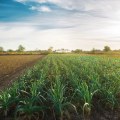
Subsistence farming is a vital agricultural practice that has sustained communities around the world for centuries. Defined as a system where farmers grow enough food to feed themselves and their families, this method often relies on traditional techniques and local resources. Unlike commercial farming, which focuses on producing surplus crops for sale, subsistence farming prioritizes self-sufficiency and resilience. This approach not only supports the livelihoods of millions but also plays a crucial role in maintaining crop diversity and promoting sustainable farming practices.The significance of subsistence farming extends beyond mere food production.
It fosters a deep connection between farmers and their land, encouraging the cultivation of a variety of crops that are well-suited to local climates and soils. This diversity is essential for several reasons: it enhances soil health, reduces vulnerability to pests and diseases, and contributes to a more balanced diet for farming families. By growing multiple crops, subsistence farmers can mitigate risks associated with climate change and market fluctuations, ensuring their food security even in challenging conditions.Moreover, subsistence farming embodies principles of sustainability that are increasingly relevant in today’s agricultural discourse. As global challenges such as climate change, soil degradation, and loss of biodiversity intensify, the practices inherent in subsistence farming offer valuable lessons.
Techniques such as crop rotation, intercropping, and organic fertilization not only preserve the environment but also enhance the resilience of farming systems. By prioritizing ecological balance and community well-being, subsistence farming serves as a model for sustainable agriculture that can inform larger-scale practices.
The Importance of Crop Diversity
Crop diversity is a fundamental aspect of sustainable agriculture that plays a crucial role in enhancing the resilience and productivity of farming systems. By cultivating a variety of crops, farmers can significantly improve soil health, manage pests more effectively, and adapt to the challenges posed by climate change.Enhancing Soil Health
Diverse cropping systems contribute to healthier soils by promoting a balanced ecosystem. Different plants have varying root structures and nutrient requirements, which can lead to improved soil structure and fertility.
For instance, legumes can fix nitrogen in the soil, enriching it for subsequent crops. This natural process reduces the need for synthetic fertilizers, which can harm the environment.
Pest Management
Crop diversity also plays a vital role in pest management. When farmers grow multiple types of crops, it disrupts the life cycles of pests that thrive on monocultures. This natural pest control reduces reliance on chemical pesticides, which can have detrimental effects on both human health and biodiversity.
Additionally, certain plants can attract beneficial insects that prey on harmful pests, further enhancing pest management strategies.
Resilience Against Climate Change
As climate change continues to impact agricultural systems worldwide, crop diversity offers a buffer against its effects. Diverse crops are more likely to withstand extreme weather events such as droughts or floods. For example, while some varieties may fail under specific conditions, others may thrive, ensuring that farmers still have viable harvests. This resilience is essential for maintaining food security in an unpredictable climate.
Contributing to Food Security
Ultimately, crop diversity is integral to food security.
By growing a range of crops, farmers can provide a more varied diet for their communities and reduce dependence on single staple crops that may be vulnerable to disease or market fluctuations. This variety not only enhances nutrition but also supports local economies by allowing farmers to access different markets.In conclusion, embracing crop diversity is not merely an agricultural practice; it is a vital strategy for fostering sustainable farming systems that benefit both the environment and society. As we face increasing challenges in food production and environmental sustainability, prioritizing diverse cropping systems will be essential for future resilience and food security.
Sustainable Farming Practices in Subsistence Agriculture
In the realm of subsistence agriculture, where farmers primarily grow food for their own consumption and local markets, adopting sustainable farming practices is crucial for both environmental health and the livelihoods of these communities. By implementing methods that enhance soil fertility, conserve water, and promote biodiversity, subsistence farmers can create resilient agricultural systems that withstand climate variability and economic pressures.One effective technique is intercropping , which involves growing two or more crops in proximity.This practice not only maximizes land use but also enhances pest control and improves soil health. For instance, planting legumes alongside cereals can fix nitrogen in the soil, reducing the need for synthetic fertilizers. Additionally, diverse plantings can attract beneficial insects that help manage pest populations naturally.
Crop rotation
is another vital practice in sustainable subsistence farming. By alternating different crops in a specific sequence over time, farmers can break pest and disease cycles, improve soil structure, and enhance nutrient availability.
For example, following a nitrogen-fixing crop with a heavy feeder like corn can optimize nutrient use and reduce the risk of soil depletion.Moreover, organic farming techniques are increasingly being recognized for their benefits in subsistence agriculture. This approach emphasizes the use of natural inputs such as compost and organic fertilizers while avoiding synthetic chemicals. Organic practices not only improve soil health but also yield crops that are often more nutritious and free from harmful residues, benefiting both farmers and consumers.Implementing these sustainable practices requires knowledge sharing and community support. Farmers can benefit from local cooperatives or extension services that provide training on sustainable methods tailored to their specific environments.
By fostering a culture of sustainability within subsistence farming communities, we can enhance food security while protecting our planet's resources.In conclusion, the integration of sustainable farming practices such as intercropping, crop rotation, and organic farming into subsistence agriculture is essential for promoting environmental health and improving farmer livelihoods. These methods not only contribute to a more resilient agricultural system but also ensure that future generations can continue to thrive on the land.
Challenges Facing Subsistence Farmers
Subsistence farmers, who primarily grow food for their own consumption rather than for sale, face a myriad of challenges that hinder their ability to implement sustainable practices and maintain crop diversity. These challenges are often interlinked and can significantly impact their livelihoods and the health of their ecosystems.Access to Resources
One of the most pressing issues is the limited access to essential resources such as quality seeds, water, and financial support. Many subsistence farmers rely on traditional seed varieties that may not be as resilient to pests or climate fluctuations.
Without access to improved seed varieties or agricultural inputs, these farmers struggle to enhance their crop yields and diversify their production.Additionally, water scarcity is a critical concern, particularly in regions experiencing prolonged droughts or erratic rainfall patterns. The lack of irrigation infrastructure further exacerbates this issue, making it difficult for farmers to sustain their crops throughout the growing season.
Climate Change Impacts
Climate change poses another significant challenge for subsistence farmers. Rising temperatures, shifting precipitation patterns, and increased frequency of extreme weather events can devastate crops and reduce agricultural productivity. Farmers often find themselves unprepared for these changes, lacking the knowledge or resources to adapt their farming practices accordingly.For instance, a farmer who traditionally grows maize may find that changing rainfall patterns make it increasingly difficult to cultivate this crop successfully.
In such cases, they may need to explore alternative crops that are more resilient to the new climate conditions, but without proper guidance or support, this transition can be daunting.
Market Pressures
Market pressures also play a crucial role in shaping the decisions of subsistence farmers. Many are caught in a cycle of poverty that limits their ability to invest in sustainable practices. They often prioritize short-term gains over long-term sustainability due to immediate financial needs. This can lead to over-reliance on chemical fertilizers and pesticides, which can degrade soil health and reduce biodiversity over time.Furthermore, fluctuating market prices for staple crops can create uncertainty, making it challenging for farmers to plan effectively for the future.
When prices drop, farmers may resort to planting fewer diverse crops in favor of cash crops that promise quicker returns.
Solutions and Support
To address these challenges, it is essential to provide targeted support for subsistence farmers. This includes improving access to resources through community seed banks, enhancing irrigation systems, and offering financial assistance or microloans tailored for sustainable practices. Education programs focused on climate resilience and crop diversification can empower farmers with the knowledge they need to adapt effectively.By fostering an environment where subsistence farmers can thrive through sustainable practices and crop diversity, we not only enhance food security but also contribute positively to environmental health.
Case Studies: Successful Examples of Crop Diversity and Sustainability
Across the globe, numerous subsistence farmers have embraced crop diversity and sustainable farming practices, leading to remarkable success stories that serve as models for others. These case studies highlight the transformative power of integrating diverse crops into farming systems, enhancing both productivity and resilience.One notable example comes from the Andean region of South America, where farmers have traditionally cultivated a variety of native crops such as quinoa, potatoes, and beans.By practicing intercropping , these farmers not only improve soil health but also create a more balanced ecosystem that supports beneficial insects and reduces pest populations. This method has led to increased yields and improved food security for local communities.In East Africa, a group of subsistence farmers adopted a diversified cropping system that includes maize, legumes, and various vegetables. This approach has significantly reduced their reliance on chemical fertilizers and pesticides, resulting in healthier soils and crops. The introduction of legumes into their rotation has enhanced nitrogen fixation, improving soil fertility naturally.
As a result, these farmers have reported higher incomes and better nutrition for their families.Another inspiring case is found in the Philippines, where smallholder farmers have implemented agroforestry systems that combine fruit trees with traditional crops. This practice not only provides shade and protection for the crops but also diversifies income sources through the sale of fruits. The integration of trees has improved biodiversity on farms, attracting wildlife and promoting ecological balance.These examples illustrate that by adopting sustainable practices and embracing crop diversity, subsistence farmers can enhance their resilience against climate change while improving their livelihoods. The success stories from these regions serve as powerful reminders of the potential benefits of sustainable agriculture, inspiring others to follow suit.As more farmers witness the advantages of these methods, there is hope for a broader shift towards sustainable farming practices globally.
By sharing knowledge and experiences, communities can work together to foster a more sustainable future for agriculture.
The Role of Policy in Supporting Sustainable Subsistence Farming
Government policies play a crucial role in shaping the landscape of sustainable subsistence farming. By providing the necessary support and resources, these policies can empower smallholder farmers to adopt practices that not only enhance their productivity but also protect the environment. Effective policy frameworks can facilitate access to funding, training, and technology, which are essential for implementing sustainable agricultural methods.One successful initiative is the Agroecology Program , which has been implemented in various regions. This program focuses on promoting biodiversity, improving soil health, and enhancing water management practices among subsistence farmers.By integrating traditional knowledge with modern techniques, farmers are better equipped to face challenges such as climate change and soil degradation.Additionally, governments can incentivize sustainable practices through subsidies and grants. For instance, financial assistance for purchasing organic seeds or implementing crop rotation systems can significantly reduce the economic burden on subsistence farmers. Such initiatives not only encourage farmers to transition to sustainable methods but also contribute to the overall resilience of local food systems.Moreover, policies that promote education and training are vital. Workshops and extension services can provide farmers with the knowledge they need to implement sustainable practices effectively.
For example, training on integrated pest management can help reduce reliance on chemical pesticides, leading to healthier crops and ecosystems.However, there are areas for improvement. Many existing policies may not adequately address the unique challenges faced by subsistence farmers, such as limited access to markets or inadequate infrastructure. Policymakers must engage with local communities to understand their needs better and tailor initiatives accordingly.Furthermore, enhancing collaboration between government agencies, non-governmental organizations (NGOs), and local farmer groups can lead to more comprehensive support systems. By fostering partnerships, resources can be pooled together to create more impactful programs that address both environmental sustainability and economic viability.In conclusion, while there have been significant strides in supporting sustainable subsistence farming through policy initiatives, ongoing efforts are needed to ensure that these policies are inclusive and effective.
By prioritizing the needs of smallholder farmers and investing in sustainable practices, governments can help build a more resilient agricultural sector that benefits both people and the planet.
Future Directions for Crop Diversity and Sustainable Farming Practices
As we look towards the future of agriculture, the integration of crop diversity and sustainable farming practices is becoming increasingly vital. Innovations in agricultural technology and ongoing research are paving the way for subsistence farmers to adopt more resilient and productive methods. These advancements not only enhance food security but also promote environmental sustainability.One promising trend is the development of precision agriculture , which utilizes data analytics, satellite imagery, and IoT devices to optimize farming practices. By providing real-time insights into soil health, moisture levels, and crop performance, precision agriculture allows farmers to make informed decisions that can lead to increased yields while minimizing resource use.This technology is particularly beneficial for subsistence farmers who often operate on limited resources.Another area of innovation is the use of genetic diversity in crop breeding. Research into heirloom varieties and indigenous crops can help create resilient strains that are better suited to local climates and resistant to pests and diseases. By focusing on crop diversity, farmers can reduce their reliance on chemical inputs and enhance their ability to adapt to changing environmental conditions.Moreover, agroecological practices are gaining traction as a sustainable alternative to conventional farming. These practices emphasize the importance of biodiversity, soil health, and ecosystem services.
Techniques such as intercropping, agroforestry, and organic farming not only improve soil fertility but also create habitats for beneficial organisms that can naturally control pests.Research institutions and agricultural organizations are increasingly collaborating with subsistence farmers to develop tailored solutions that address their unique challenges. This participatory approach ensures that innovations are practical and culturally appropriate, fostering a sense of ownership among farmers.In conclusion, the future of crop diversity and sustainable farming practices lies in embracing technological advancements while respecting traditional knowledge. By investing in research and supporting innovations that empower subsistence farmers, we can create a more resilient agricultural system that benefits both people and the planet.
Frequently Asked Questions about Subsistence Farming and Sustainability
As interest in subsistence farming and sustainable practices grows, many individuals have questions about how these methods work and their implications for food security and environmental health. Below are some frequently asked questions that aim to clarify these important topics.What is subsistence farming?
Subsistence farming is a type of agriculture where farmers grow enough food to feed themselves and their families, with little surplus for sale or trade.This practice is often characterized by small-scale operations that rely on traditional methods and local resources.
How does subsistence farming contribute to sustainability?
Subsistence farming promotes sustainability by encouraging the use of local resources, minimizing reliance on chemical fertilizers and pesticides, and fostering biodiversity. Farmers often rotate crops and use organic methods to maintain soil health, which can lead to more resilient ecosystems.Can subsistence farming support food security?
Yes, subsistence farming plays a crucial role in food security, especially in developing regions. By producing food locally, communities can reduce their dependence on external markets and ensure that they have access to nutritious food year-round. This self-sufficiency is vital in times of economic instability or natural disasters.What are some common misconceptions about subsistence farming?
- Myth: Subsistence farmers are unproductive.
- Fact: While they may not produce large quantities for sale, subsistence farmers often cultivate a diverse range of crops that provide essential nutrients for their families.
- Myth: Subsistence farming is outdated.
- Fact: Many modern sustainable practices are rooted in traditional subsistence methods, which have been refined over generations.
How can sustainable practices be integrated into subsistence farming?
Sustainable practices can be integrated into subsistence farming through techniques such as:- Crop rotation: Alternating different crops in the same area to improve soil health.
- Intercropping: Growing multiple crops together to enhance biodiversity and reduce pest outbreaks.
- Composting: Utilizing organic waste to enrich soil fertility naturally.
Conclusion: Embracing Crop Diversity for a Sustainable Future
In conclusion, the significance of crop diversity and sustainable farming practices cannot be overstated, especially for subsistence farmers who rely on their land for both livelihood and sustenance.Throughout this article, we have explored how embracing a variety of crops not only enhances soil health but also contributes to a more resilient agricultural system capable of withstanding environmental challenges.By integrating diverse crops into their farming systems, subsistence farmers can improve their soil's nutrient profile, reduce pest pressures, and minimize the reliance on synthetic fertilizers and pesticides. This holistic approach not only fosters a healthier ecosystem but also leads to better yields and improved food security for communities that depend on these farms.Moreover, sustainable practices such as crop rotation, intercropping, and cover cropping play a crucial role in maintaining biodiversity. These methods help to create a balanced ecosystem where beneficial insects thrive, weeds are managed naturally, and soil erosion is significantly reduced. As we face the growing threats of climate change and resource depletion, these practices become essential for ensuring that farming remains viable for future generations.It is also important to recognize the social implications of adopting sustainable farming practices.
By prioritizing fair labor conditions and equitable access to resources, we can empower subsistence farmers to take charge of their agricultural futures. This empowerment not only enhances their economic stability but also fosters community resilience.As we move forward, it is imperative that policymakers, agricultural organizations, and communities work together to promote sustainable agriculture. This includes providing education on best practices, facilitating access to diverse seeds, and supporting local markets that value sustainability. By doing so, we can create a robust framework that supports subsistence farmers in their quest for food security while protecting our planet.Ultimately, embracing crop diversity and sustainable farming practices is not just an option; it is a necessity for building a resilient future.
The path forward requires collective action and commitment to fostering an agricultural landscape that thrives on diversity, sustainability, and respect for the environment.