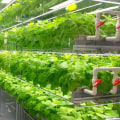
Sustainable farming represents a transformative approach to agriculture that prioritizes the health of our planet while ensuring food security for future generations. At its core, sustainable farming encompasses practices that are environmentally friendly, economically viable, and socially responsible. This holistic method not only aims to produce food but also seeks to maintain the ecological balance, thereby reducing the negative impacts often associated with conventional farming techniques.The significance of sustainable farming cannot be overstated. As the global population continues to rise, the demand for food increases exponentially.
Traditional agricultural methods, heavily reliant on chemical fertilizers and pesticides, have led to soil degradation, water scarcity, and loss of biodiversity. In contrast, sustainable practices focus on enhancing soil health through crop rotation, organic fertilizers, and reduced chemical use. This not only improves crop yields but also fosters a resilient ecosystem capable of withstanding climate change.Moreover, sustainable farming plays a crucial role in promoting food security. By utilizing methods such as subsistence farming, where farmers grow food primarily for their own consumption and local markets, communities can become less dependent on industrial food systems that are often vulnerable to market fluctuations and global supply chain disruptions.
This localized approach not only supports community resilience but also encourages the preservation of traditional agricultural knowledge and practices.In summary, understanding sustainable farming is essential for anyone interested in the future of agriculture and environmental conservation. It is a vital component in addressing the pressing challenges of our time—climate change, food insecurity, and ecological degradation. As we delve deeper into this topic, we will explore how subsistence farming fits into the broader narrative of sustainability and its potential to create a greener future.
What is Subsistence Farming?
Subsistence farming
is a traditional agricultural practice where farmers grow food primarily for their own consumption rather than for sale in the market. This method of farming is characterized by small-scale operations that rely heavily on local resources and labor.
The primary goal of subsistence farming is to meet the basic needs of the farmer's family, ensuring food security and self-sufficiency.There are several types of subsistence farming , each adapted to different environmental conditions and cultural practices:
- Shifting Cultivation: Also known as slash-and-burn agriculture, this method involves clearing a piece of land, cultivating it for a few years, and then moving on to another area once soil fertility declines.
- Intensive Subsistence Farming: This type focuses on maximizing yield from small plots of land through careful management and the use of organic fertilizers. It often includes multiple cropping cycles within a year.
- Pastoralism: Involves raising livestock for food, clothing, and other products. Pastoralists often move their herds seasonally to find fresh pastures.
- Mixed Farming: Combines crop cultivation with livestock rearing, allowing farmers to diversify their sources of food and income.
- Enhancing Biodiversity: Subsistence farmers often cultivate a variety of crops, which helps maintain genetic diversity and resilience against pests and diseases.
- Reducing Environmental Impact: By relying on organic methods and local resources, subsistence farming minimizes the use of chemical fertilizers and pesticides, leading to healthier ecosystems.
- Strengthening Community Ties: Subsistence farming fosters strong community bonds as families often share resources, knowledge, and labor.
- Promoting Food Sovereignty: It empowers communities to control their food sources, reducing dependence on global markets and enhancing local economies.
As we look towards a greener future, understanding and promoting these practices can play a crucial role in addressing global food security challenges.
The Role of Subsistence Farming in Sustainable Agriculture
Subsistence farming plays a crucial role in the landscape of sustainable agriculture, particularly in its ability to foster ecological balance and support local food systems. This traditional method of farming, where families grow food primarily for their own consumption, offers numerous benefits that align with sustainability goals.One of the most significant ecological advantages of subsistence farming is its contribution to biodiversity preservation. Unlike industrial agriculture, which often relies on monocultures and chemical inputs, subsistence farmers typically cultivate a variety of crops. This diversity not only enhances soil health but also creates habitats for various species, promoting a balanced ecosystem.By planting multiple crops, farmers can reduce the risk of pest outbreaks and diseases, which are more prevalent in monoculture systems.Moreover, subsistence farming practices often emphasize organic methods and natural fertilizers, minimizing the use of synthetic chemicals that can harm the environment. This approach not only protects local water sources from contamination but also contributes to healthier soil and crop yields over time.Another critical aspect of subsistence farming is its reduced carbon footprint. Small-scale farms generally require less energy-intensive machinery and transportation compared to large-scale industrial farms. By relying on manual labor and local resources, these farms can significantly lower greenhouse gas emissions associated with food production.
Additionally, because subsistence farmers often sell their surplus produce in local markets, they help strengthen local economies while reducing the carbon emissions linked to long-distance food transport.Furthermore, subsistence farming fosters resilient local food systems. By prioritizing local consumption, communities can become less dependent on global supply chains that are vulnerable to disruptions. This self-sufficiency not only enhances food security but also empowers communities to make decisions about their agricultural practices and dietary choices.In conclusion, the role of subsistence farming in sustainable agriculture cannot be overstated. Its ecological benefits—ranging from biodiversity preservation to reduced carbon footprints—coupled with its support for local food systems, make it an essential component of a greener future.
As we continue to seek solutions for sustainable food production, recognizing and promoting the value of subsistence farming will be vital.
Challenges Faced by Subsistence Farmers
Subsistence farmers, who primarily grow food for their own consumption rather than for sale, face a myriad of challenges that can significantly hinder their ability to sustain their livelihoods. Understanding these obstacles is essential for creating effective policies that support these vital contributors to global food security.Economic Pressures
One of the most pressing issues for subsistence farmers is the economic pressure they experience. Many of these farmers operate on limited budgets, which restricts their ability to invest in better seeds, fertilizers, and equipment. This lack of investment often results in lower yields and reduced food security.
Additionally, fluctuating market prices for crops can create uncertainty, making it difficult for farmers to plan for the future.
Access to Resources
Access to essential resources such as water, land, and technology is another significant challenge. In many regions, subsistence farmers struggle with inadequate irrigation systems, which are crucial for maintaining crop health, especially in areas prone to drought. Furthermore, land tenure issues can complicate their ability to cultivate effectively; without secure land rights, farmers may be hesitant to invest in long-term improvements.
Climate Change Impacts
The effects of climate change are increasingly felt by subsistence farmers. Changes in weather patterns can lead to unpredictable growing seasons, increased pest infestations, and soil degradation.
These environmental shifts not only threaten crop yields but also exacerbate existing economic vulnerabilities. Farmers may find themselves caught in a cycle of poverty as they struggle to adapt to these changes without adequate support or resources.
Social and Educational Barriers
Social factors also play a critical role in the challenges faced by subsistence farmers. Limited access to education and training can prevent them from adopting more sustainable farming practices or improving their business acumen. Additionally, cultural norms may restrict women's participation in farming activities, further limiting the potential productivity of households.In conclusion, addressing the challenges faced by subsistence farmers requires a multifaceted approach that includes economic support, resource accessibility, climate adaptation strategies, and educational opportunities.
By understanding these obstacles, policymakers can develop targeted interventions that empower subsistence farmers and promote sustainable agricultural practices.
Innovative Practices in Subsistence Farming
Subsistence farming, often characterized by small-scale production primarily for the farmer's own consumption, is increasingly adopting innovative practices that enhance sustainability and resilience. These practices not only improve food security but also promote environmental health, making them essential in the quest for a greener future.One of the most promising approaches is agroecology , which integrates ecological principles into agricultural practices. This method emphasizes biodiversity, soil health, and the use of local resources. By implementing agroecological techniques, subsistence farmers can:- Enhance Soil Fertility: Techniques such as crop rotation, cover cropping, and composting help maintain soil nutrients and structure, reducing the need for chemical fertilizers.
- Increase Biodiversity: Planting a variety of crops not only improves resilience against pests and diseases but also supports local ecosystems.
- Utilize Natural Pest Control: By encouraging beneficial insects and using organic methods, farmers can manage pests without harmful chemicals.
This design system focuses on creating sustainable and self-sufficient agricultural ecosystems. Key principles of permaculture include:
- Observation and Interaction: Understanding the local environment allows farmers to design systems that work with nature rather than against it.
- Diversity and Resilience: By incorporating a variety of plants and animals, permaculture systems can withstand environmental changes and reduce dependency on external inputs.
- Closed-Loop Systems: Waste from one part of the system becomes a resource for another, minimizing waste and maximizing efficiency.
Case Studies: Successful Subsistence Farming Models
Across the globe, numerous communities have embraced subsistence farming as a viable means of achieving food security and sustainability. These case studies highlight successful models that not only provide nourishment but also foster community resilience and environmental stewardship.1.The Andean Community in South America
In the high-altitude regions of the Andes, indigenous farmers have practiced subsistence farming for centuries.
Utilizing traditional techniques, they cultivate a variety of crops such as quinoa, potatoes, and maize. These farmers employ crop rotation and intercropping methods to enhance soil fertility and reduce pest outbreaks. The integration of local knowledge with modern sustainable practices has led to increased yields and improved food security for these communities.
2.The Zai Technique in Burkina Faso
In Burkina Faso, farmers have adopted the Zai technique, a method that involves digging small pits to capture rainwater and concentrate nutrients around seeds. This practice has transformed arid land into productive fields, allowing subsistence farmers to grow millet and sorghum even in challenging climatic conditions.
The success of this method has inspired neighboring regions to implement similar strategies, showcasing the power of community-driven agricultural innovation.
3.Agroecology in Cuba
Following the collapse of the Soviet Union, Cuba faced severe food shortages that prompted a shift towards agroecological practices. Urban gardens and community farms emerged as essential components of the food system, emphasizing organic methods and local resources. These initiatives not only provided fresh produce but also strengthened community ties and reduced reliance on imported goods. Today, Cuba serves as a model for sustainable urban agriculture worldwide.
4.The Permaculture Movement in Australia
The permaculture movement in Australia has gained traction among subsistence farmers seeking sustainable solutions to food production.
By designing agricultural systems that mimic natural ecosystems, these farmers create self-sustaining environments that require minimal external inputs. This approach has led to increased biodiversity, improved soil health, and enhanced resilience against climate change impacts.These case studies exemplify how subsistence farming can be effectively implemented across diverse contexts. By learning from these successful models, other communities can adopt similar practices to enhance their food security while promoting environmental sustainability.
The Future of Subsistence Farming in a Changing World
As the world grapples with the profound impacts of climate change and rapid urbanization, the future of subsistence farming emerges as a critical focal point in the quest for sustainable food systems. This traditional form of agriculture, which primarily aims to meet the needs of the farmer's family rather than for sale in the market, is facing unprecedented challenges and opportunities.One of the most pressing issues is the changing climate.Farmers who rely on subsistence methods often depend on predictable weather patterns for their crops. However, with increasing instances of extreme weather events—such as droughts, floods, and unpredictable rainfall—these farmers must adapt quickly to survive. Innovative practices such as crop diversification and integrated pest management are becoming essential. By planting a variety of crops, farmers can mitigate risks associated with crop failure due to climate variability.Moreover, advancements in technology are paving the way for a more resilient future in subsistence farming.
The integration of smart agriculture tools, such as mobile apps for weather forecasting and soil health monitoring, can empower farmers with critical information to make informed decisions. These technologies can help optimize resource use, reduce waste, and enhance productivity.Urbanization also poses significant challenges to subsistence farming. As more people migrate to cities in search of better opportunities, rural areas may experience a decline in labor force availability. This shift necessitates a reevaluation of how subsistence farming can coexist with urban development.
Urban agriculture initiatives are gaining traction, allowing city dwellers to engage in food production through community gardens and rooftop farms. Such movements not only provide fresh produce but also reconnect urban populations with their food sources.In conclusion, while the future of subsistence farming is fraught with challenges due to climate change and urbanization, it also presents unique opportunities for innovation and adaptation. By embracing sustainable practices and leveraging technology, subsistence farmers can play a pivotal role in ensuring food security for their communities and contribute to a greener future.
FAQs About Subsistence Farming and Sustainability
As the conversation around sustainable agriculture continues to evolve, many people have questions about subsistence farming and its role in promoting environmental sustainability. Below are some frequently asked questions that aim to clarify common misconceptions and provide valuable insights into this vital agricultural practice.What is subsistence farming?
Subsistence farming is a type of agriculture where farmers grow food primarily for their own consumption rather than for sale in the market.This practice often involves small-scale farming techniques and a diverse range of crops, which can enhance food security for families and communities.
How does subsistence farming contribute to sustainability?
Subsistence farming contributes to sustainability in several ways:- Diversity of crops: By cultivating a variety of crops, subsistence farmers can improve soil health and reduce the risk of crop failure.
- Minimal use of chemicals: Many subsistence farmers rely on organic methods, reducing the need for synthetic fertilizers and pesticides that can harm the environment.
- Local food systems: Subsistence farming supports local economies and reduces the carbon footprint associated with transporting food over long distances.
Are there misconceptions about subsistence farming?
Yes, several misconceptions exist regarding subsistence farming:- It is outdated: Some believe that subsistence farming is an archaic practice. In reality, it is a resilient system that has adapted over generations to meet local needs.
- It cannot be sustainable: Critics often argue that subsistence farming lacks efficiency. However, when managed properly, it can be highly sustainable and environmentally friendly.
- It leads to poverty: While some subsistence farmers may struggle economically, many are able to maintain a stable livelihood by focusing on local markets and community support.
Conclusion: Embracing Subsistence Farming for a Greener Future
In conclusion, the transition towards subsistence farming represents a pivotal step in our journey towards a more sustainable agricultural future.By prioritizing local food production and minimizing reliance on industrial farming practices, we can significantly reduce our environmental footprint while enhancing food security for communities around the globe.Throughout this article, we have explored the numerous benefits of subsistence farming, including:
- Environmental Sustainability: Subsistence farming promotes biodiversity and soil health, reducing the need for chemical fertilizers and pesticides that can harm ecosystems.
- Community Resilience: By empowering local farmers to grow their own food, we foster self-sufficiency and resilience against economic fluctuations and global supply chain disruptions.
- Cultural Preservation: This form of agriculture often incorporates traditional practices and knowledge, helping to preserve cultural heritage and strengthen community ties.
- Nutritional Benefits: Subsistence farming typically focuses on diverse crop production, which can lead to improved nutrition and health outcomes for families.
Together, we can cultivate a world where both people and the planet thrive.