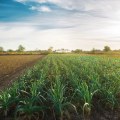
Sustainable agriculture represents a transformative approach to farming that prioritizes the health of our planet while ensuring food security for future generations. At its core, sustainable agriculture is defined as a method of farming that meets current food needs without compromising the ability of future generations to meet their own. This holistic approach encompasses a variety of practices aimed at enhancing environmental quality, promoting economic viability, and fostering social equity.The importance of sustainable agriculture cannot be overstated, especially in the face of pressing global challenges such as climate change, soil degradation, and water scarcity. Traditional farming methods often rely heavily on chemical fertilizers and pesticides, which can lead to detrimental effects on ecosystems and human health.
In contrast, sustainable practices focus on minimizing environmental impact by utilizing natural resources more efficiently and responsibly. This includes techniques such as crop rotation, agroforestry, and organic farming, all of which contribute to healthier soils and ecosystems.Moreover, sustainable agriculture plays a crucial role in mitigating the effects of climate change. By adopting practices that enhance carbon sequestration in soils and reduce greenhouse gas emissions, farmers can actively contribute to climate resilience. Additionally, sustainable agriculture promotes biodiversity by encouraging diverse cropping systems that support various species and habitats.
This not only helps maintain ecological balance but also enhances the resilience of agricultural systems against pests and diseases.In summary, understanding sustainable agriculture is essential for anyone interested in the future of food production and environmental stewardship. As we delve deeper into this comprehensive guide, we will explore various aspects of sustainable farming practices, their benefits, and how they can be effectively implemented to protect our environment and resources for generations to come.
What is Subsistence Farming?
Subsistence farming
is a traditional agricultural practice where farmers grow food primarily to meet the needs of their own families rather than for sale in the market. This method of farming is characterized by its focus on self-sufficiency, with minimal surplus production. In many parts of the world, especially in developing countries, subsistence farming remains a vital means of survival.One of the defining characteristics of subsistence farming is its reliance on local resources and knowledge.
Farmers typically cultivate a variety of crops and may also raise livestock, ensuring a diverse diet and reducing the risk of crop failure. This diversity is crucial as it allows families to adapt to changing environmental conditions and market fluctuations.Another key aspect is the use of traditional farming techniques, which often include manual labor and low-input methods. For instance, subsistence farmers may utilize hand tools instead of machinery, and they often rely on organic fertilizers such as compost or animal manure rather than synthetic chemicals. This approach not only preserves the health of the soil but also minimizes environmental impact.Examples of subsistence farming can be found across various regions:
- Shifting Cultivation: Common in tropical regions, this method involves clearing a piece of land for cultivation and then moving to another area once soil fertility declines.
- Pastoralism: In arid regions, communities may rely on herding livestock for food, clothing, and shelter, moving with their animals to find grazing pastures.
- Mixed Farming: This combines crop cultivation with livestock rearing, allowing families to produce grains and vegetables alongside meat and dairy products.
While it may not generate significant income or contribute to global markets, it plays an essential role in food security for millions of people worldwide.In summary, subsistence farming is a crucial agricultural practice that emphasizes self-sufficiency, sustainability, and the use of traditional methods. By understanding its characteristics and examples, we can appreciate its importance in preserving local cultures and ensuring food security in many communities.
The Role of Subsistence Farming in Sustainable Agriculture
Subsistence farming plays a pivotal role in the framework of sustainable agriculture , particularly in developing regions where food security is paramount. This form of agriculture is characterized by small-scale farming operations that primarily focus on producing enough food to meet the needs of the farmer's family, with little surplus for sale. As such, it embodies several principles that align closely with sustainability.One of the most significant benefits of subsistence farming is its contribution to biodiversity.Farmers often cultivate a variety of crops and raise different livestock species, which helps maintain genetic diversity within agricultural systems. This diversity is crucial for resilience against pests, diseases, and changing climate conditions. By planting multiple crop varieties, subsistence farmers can ensure that at least some of their crops will thrive even in adverse conditions, thereby enhancing food security.Moreover, subsistence farming typically employs traditional agricultural practices that are less reliant on chemical fertilizers and pesticides. This not only reduces the environmental impact associated with synthetic inputs but also promotes healthier ecosystems.
For instance, many subsistence farmers utilize organic compost and natural pest control methods, which contribute to soil health and reduce pollution.Another critical aspect of subsistence farming is its lower carbon footprint compared to industrial agriculture. Small-scale farms often rely on manual labor and local resources, minimizing the need for fossil fuels associated with large-scale mechanized farming. This localized approach not only reduces greenhouse gas emissions but also fosters community resilience by keeping food production within local economies.Furthermore, subsistence farming enhances food security by providing a stable source of nutrition for families. In many cases, these farms produce staple foods that are culturally significant and nutritionally essential.
By focusing on local food production, communities can reduce their dependence on imported goods, which can be subject to price fluctuations and supply chain disruptions.In conclusion, subsistence farming is not merely a means of survival; it is a vital component of sustainable agriculture that promotes biodiversity, reduces environmental impact, and enhances food security. As we continue to explore sustainable practices in agriculture, recognizing the value of subsistence farming will be essential for creating resilient food systems that can withstand future challenges.
Key Practices in Sustainable Subsistence Farming
Sustainable subsistence farming is a vital approach that not only supports local communities but also contributes to environmental conservation. By implementing key practices, farmers can enhance their productivity while minimizing their ecological footprint. Here are some essential practices that are fundamental to sustainable subsistence farming:- Crop Rotation: This technique involves alternating the types of crops grown on a particular piece of land over different seasons.
Crop rotation helps in maintaining soil fertility, reducing pest and disease cycles, and improving overall crop yields. For instance, planting legumes after cereal crops can naturally replenish nitrogen levels in the soil, which is crucial for plant growth.
- Organic Farming Methods: Organic farming emphasizes the use of natural inputs and processes to cultivate crops. This includes avoiding synthetic fertilizers and pesticides, instead opting for organic compost, green manures, and natural pest control methods. By fostering biodiversity and enhancing soil health, organic practices contribute to a more resilient agricultural system.
- Agroecology: This holistic approach integrates ecological principles into agricultural practices.
Agroecology promotes biodiversity, enhances ecosystem services, and encourages sustainable land management. Techniques such as intercropping—growing two or more crops in proximity—can improve pest control and increase overall productivity.
- Water Conservation Techniques: Efficient water management is crucial in subsistence farming. Practices such as rainwater harvesting, drip irrigation, and mulching can significantly reduce water usage while ensuring that crops receive adequate moisture. These methods not only conserve water but also protect against soil erosion.
- Soil Health Management: Maintaining healthy soil is essential for sustainable farming.
Practices like cover cropping, reduced tillage, and the application of organic matter can enhance soil structure and fertility. Healthy soil supports better crop growth and resilience against climate variability. Practices like cover cropping, reduced tillage, and the application of organic matter can enhance soil structure and fertility. Healthy soil supports better crop growth and resilience against climate variability.
Challenges Faced by Subsistence Farmers
Subsistence farmers, who primarily grow food for their own consumption rather than for sale, face a myriad of challenges that threaten their livelihoods and the sustainability of their farming practices. These challenges are often exacerbated by external factors such as climate change and resource scarcity.Climate Change Impacts
- Extreme Weather Events: Subsistence farmers are particularly vulnerable to extreme weather events such as droughts, floods, and storms.
These events can devastate crops, leading to food shortages and economic instability.
- Shifting Growing Seasons: Changes in temperature and precipitation patterns can alter traditional growing seasons, making it difficult for farmers to predict the best times to plant and harvest their crops.
- Pest and Disease Proliferation: Warmer temperatures can lead to an increase in pests and diseases that threaten crops. Subsistence farmers often lack access to effective pest management solutions, making them more susceptible to these threats.
Resource Scarcity
- Water Shortages: Many subsistence farmers rely on rain-fed agriculture, making them highly dependent on consistent rainfall. Climate change has led to unpredictable rainfall patterns, resulting in water scarcity that directly impacts crop yields.
- Soil Degradation: Continuous farming without adequate soil management practices can lead to soil degradation. This not only reduces soil fertility but also increases vulnerability to erosion, further diminishing agricultural productivity.
- Lack of Access to Inputs: Subsistence farmers often struggle with limited access to essential agricultural inputs such as seeds, fertilizers, and tools.
This lack of resources can hinder their ability to adapt to changing conditions and improve their yields.
Innovative Solutions for Sustainable Subsistence Farming
As the world faces increasing challenges related to food security and environmental sustainability, subsistence farming is evolving through innovative solutions and technologies. These advancements not only enhance productivity but also promote sustainable practices that are essential for the long-term viability of smallholder farms.Precision Agriculture
One of the most promising innovations in sustainable agriculture is precision agriculture.This approach utilizes technology such as GPS, sensors, and data analytics to optimize farming practices. By precisely monitoring soil conditions, moisture levels, and crop health, farmers can make informed decisions about resource allocation. For subsistence farmers, this means using water and fertilizers more efficiently, reducing waste, and improving crop yields.
Agroecological Practices
Another innovative solution is the adoption of agroecological practices. These methods integrate traditional farming knowledge with modern science to create resilient agricultural systems.Techniques such as intercropping, agroforestry, and organic pest management not only enhance biodiversity but also improve soil health. For instance, planting legumes alongside staple crops can naturally enrich the soil with nitrogen, reducing the need for chemical fertilizers.
Mobile Technology and Apps
The rise of mobile technology has also transformed subsistence farming. Farmers can now access a wealth of information through mobile apps that provide weather forecasts, market prices, and best practices for crop management. This access to real-time data empowers farmers to make better decisions that align with sustainable practices.For example, knowing when to plant or harvest can significantly impact yields and reduce resource waste.
Water Management Innovations
Efficient water management is crucial for sustainable subsistence farming. Innovations such as drip irrigation systems and rainwater harvesting techniques allow farmers to maximize water use while minimizing waste. These systems are particularly beneficial in regions prone to drought, ensuring that crops receive adequate moisture without depleting local water resources.Community-Based Solutions
Lastly, community-based initiatives play a vital role in promoting sustainable subsistence farming. By collaborating with local organizations and sharing resources, farmers can implement collective solutions such as seed banks and cooperative marketing strategies.These initiatives not only enhance food security but also foster a sense of community resilience.In conclusion, the integration of innovative solutions and technologies into subsistence farming practices is essential for achieving sustainability. By embracing precision agriculture, agroecological methods, mobile technology, efficient water management, and community collaboration, subsistence farmers can enhance their productivity while protecting the environment for future generations.
Case Studies: Successful Subsistence Farming Models
Subsistence farming, a practice where farmers grow food primarily for their own consumption, has been a cornerstone of agricultural systems worldwide. This section explores several successful models of subsistence farming that not only sustain local communities but also promote environmental stewardship and resilience.1.The Milpa System in Mesoamerica
The Milpa system , practiced in regions like Mexico and Central America, exemplifies sustainable subsistence farming. Farmers cultivate a variety of crops, including maize, beans, and squash, in a rotational manner.This polyculture approach enhances soil fertility and reduces pest outbreaks. By intercropping these species, farmers create a balanced ecosystem that supports biodiversity and minimizes the need for chemical fertilizers.
2.The Rice-Fish Culture in Southeast Asia
In countries such as Vietnam and Thailand, the rice-fish culture integrates aquaculture with rice farming. Farmers cultivate rice paddies while simultaneously raising fish, which helps control pests and provides an additional source of protein for families. This method not only maximizes land use but also improves water quality and promotes nutrient cycling within the ecosystem.3.Agroforestry Practices in West Africa
Agroforestry is another successful model seen in West Africa, where farmers combine tree planting with traditional crop cultivation.This practice enhances soil health, provides shade for crops, and creates habitats for wildlife. For instance, the integration of sheanut trees with millet and sorghum farming has shown to increase yields while providing additional income through the sale of shea butter.
4.The Andean Potato Park in Peru
The Andean Potato Park , located in Peru, is a remarkable example of community-led subsistence farming that preserves biodiversity. Local farmers cultivate over 1,000 varieties of potatoes using traditional methods passed down through generations. This initiative not only sustains local diets but also protects genetic diversity against climate change impacts.These case studies illustrate that subsistence farming can be both sustainable and productive when integrated with local ecosystems and cultural practices.By learning from these successful models, we can promote similar practices globally to enhance food security while protecting our environment.
The Future of Sustainable Agriculture and Subsistence Farming
The landscape of agriculture is rapidly evolving, driven by the pressing need for sustainability in the face of climate change, population growth, and resource depletion. As we look to the future, sustainable agriculture will play a pivotal role in addressing these challenges, particularly through the lens of subsistence farming.Subsistence farming, which focuses on growing enough food to meet the needs of the farmer and their family, is often practiced in developing regions. However, as global challenges intensify, this form of agriculture is poised for transformation. Here are some key trends that may shape the future of sustainable agriculture and subsistence farming:- Integration of Technology: The adoption of technology in subsistence farming can enhance productivity and sustainability.
Innovations such as precision agriculture, mobile apps for weather forecasting, and soil health monitoring tools can empower smallholder farmers to make informed decisions.
- Agroecological Practices: Emphasizing biodiversity and ecological balance, agroecology promotes practices that enhance soil health and reduce dependency on chemical inputs. This approach aligns well with subsistence farming, allowing farmers to cultivate diverse crops that improve resilience against pests and climate variability.
- Community-Based Initiatives: Future trends will likely see a rise in community-supported agriculture (CSA) models where local communities support farmers directly. This not only strengthens local economies but also fosters a sense of community ownership over food production.
- Climate Resilience: As climate change continues to impact agricultural systems, subsistence farmers will need to adopt practices that enhance resilience. This includes diversifying crops, implementing water conservation techniques, and utilizing traditional knowledge to adapt to changing conditions.
- Policy Support: Governments and organizations are increasingly recognizing the importance of supporting subsistence farmers through policies that promote sustainable practices.
This includes access to resources, training programs, and financial assistance aimed at enhancing food security.
Conclusion: The Importance of Embracing Sustainable Practices in Agriculture
In conclusion, the journey towards sustainable agriculture is not merely a trend but a necessity for the well-being of our planet and future generations. As we have explored throughout this guide, the integration of sustainable practices into farming is essential for preserving our natural resources, enhancing food security, and promoting environmental health.By adopting methods such as subsistence farming , farmers can cultivate crops in a way that prioritizes ecological balance and resource conservation.This approach not only supports local communities but also reduces reliance on industrial agricultural practices that often lead to soil degradation, water scarcity, and loss of biodiversity.Moreover, the principles of the 4 R's of sustainability —Reduce, Reuse, Recycle, and Regenerate—serve as a framework for farmers to minimize their environmental footprint. Implementing these principles can lead to:
- Reduced resource consumption: Efficient irrigation systems and renewable energy sources can significantly lower water and energy usage.
- Enhanced soil health: Practices like crop rotation and cover cropping improve soil fertility and structure, ensuring long-term productivity.
- Increased biodiversity: By diversifying crops and using natural pest control methods, farmers can create resilient ecosystems that support various species.
This commitment will not only safeguard our environment but also ensure that we leave a thriving planet for generations to come. By prioritizing sustainability in agriculture today, we are investing in a healthier, more resilient world tomorrow.