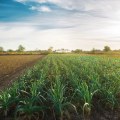
Sustainable agriculture represents a transformative approach to farming that prioritizes the health of our planet while ensuring food security for future generations. At its core, sustainable agriculture seeks to balance the need for food production with the necessity of preserving environmental integrity. This method of farming is not merely a trend; it is a vital response to the pressing challenges posed by climate change, resource depletion, and the growing global population. By adopting practices that are environmentally friendly, economically viable, and socially responsible, urban agriculture aims to create a resilient food system that can withstand the test of time.The significance of sustainable agriculture extends beyond just farming techniques; it encompasses a holistic view of how we interact with our environment. Sustainable agriculture represents a transformative approach to farming that prioritizes the health of our planet while ensuring food security for future generations. At its core, sustainable agriculture seeks to balance the need for food production with the necessity of preserving environmental integrity. This method of farming is not merely a trend; it is a vital response to the pressing challenges posed by climate change, resource depletion, and the growing global population. By adopting practices that are environmentally friendly, economically viable, and socially responsible, urban agriculture aims to create a resilient food system that can withstand the test of time.The significance of sustainable agriculture extends beyond just farming techniques; it encompasses a holistic view of how we interact with our environment.
Traditional agricultural practices often lead to soil degradation, water scarcity, and loss of biodiversity. In contrast, sustainable methods promote practices such as crop rotation, organic farming, and agroforestry, which enhance soil health and reduce reliance on chemical inputs. These practices not only mitigate environmental damage but also contribute to the long-term viability of agricultural systems.Moreover, sustainable agriculture plays a crucial role in addressing food security. As the global population continues to rise, the demand for food increases exponentially.
Sustainable practices ensure that we can produce enough food without compromising the ability of future generations to meet their own needs. This is where subsistence farming comes into play—a form of sustainable agriculture that focuses on growing food primarily for local consumption rather than for sale in the market. By empowering communities to grow their own food sustainably, we can foster resilience against economic fluctuations and environmental challenges.In summary, understanding sustainable agriculture is essential for anyone concerned about the future of our planet and food systems. It is a multifaceted approach that not only addresses immediate agricultural needs but also lays the groundwork for a greener and more equitable future.
As we delve deeper into this topic, we will explore how subsistence farming exemplifies these principles and contributes significantly to sustainable agricultural practices worldwide.As we delve deeper into this topic, we will explore how subsistence farming exemplifies these principles and contributes significantly to sustainable agricultural practices worldwide.
What is Subsistence Farming?
Subsistence farming
is a traditional agricultural practice where farmers grow food primarily for their own consumption rather than for sale in the market. This method of farming is often characterized by small-scale operations, where families cultivate crops and raise livestock to meet their daily needs. The primary goal of subsistence farming is to provide enough food for the household, ensuring food security and self-sufficiency.One of the defining characteristics of subsistence farming is its reliance on local resources and traditional farming techniques. Farmers typically use simple tools and methods passed down through generations, which can include hand plowing, manual planting, and organic fertilization.
This approach not only minimizes costs but also reduces the environmental impact associated with industrial agriculture.Subsistence farmers often cultivate a variety of crops to diversify their food sources and mitigate risks associated with crop failure. Common crops include staples such as maize, rice, wheat, and various legumes, alongside fruits and vegetables that are essential for a balanced diet. Additionally, livestock such as chickens, goats, and cows may be raised for meat, milk, and eggs, further enhancing the household's nutritional intake.Examples of subsistence farming can be found worldwide, particularly in developing regions. In parts of Africa, farmers may practice shifting cultivation, where they rotate fields to maintain soil fertility.
In Asia, rice paddies are often cultivated using traditional methods that have been refined over centuries. Similarly, in Latin America, indigenous communities engage in subsistence agriculture by growing crops like quinoa and potatoes in high-altitude environments.Despite its many benefits, subsistence farming faces challenges such as climate change, land degradation, and limited access to modern agricultural technologies. However, it remains a vital practice for millions of people globally, providing not only sustenance but also cultural identity and community cohesion.
The Role of Subsistence Farming in Sustainable Agriculture
Subsistence farming plays a crucial role in the landscape of sustainable agriculture, particularly in developing regions where food security is a pressing concern. This form of agriculture is characterized by small-scale farming practices where families grow enough food to meet their own needs, often with little surplus for sale.The benefits of subsistence farming extend beyond mere food production; they encompass environmental sustainability, community resilience, and cultural preservation.
Environmental Benefits
- Soil Health: Subsistence farmers often employ traditional methods that enhance soil fertility, such as crop rotation and intercropping. These practices help maintain nutrient levels in the soil and reduce the need for chemical fertilizers.
- Biodiversity: By cultivating a variety of crops, subsistence farming promotes biodiversity. This diversity not only supports local ecosystems but also provides a buffer against pests and diseases, reducing the reliance on harmful pesticides.
- Water Conservation: Many subsistence farmers utilize rainwater harvesting and other water-saving techniques that contribute to sustainable water management, crucial in areas facing water scarcity.
Social and Economic Benefits
- Food Security: Subsistence farming directly addresses food insecurity by ensuring that families have access to fresh produce. This self-sufficiency is vital in regions where access to markets is limited.
- Community Cohesion: These farming practices often foster strong community ties as families work together to share resources, knowledge, and labor.
This collaboration enhances social networks and builds resilience against economic shocks.
- Cultural Heritage: Subsistence farming is deeply intertwined with local cultures and traditions. By preserving indigenous farming techniques and crop varieties, communities maintain their cultural identity while promoting sustainable practices.
Key Practices in Subsistence Farming
Subsistence farming is a time-honored practice that focuses on growing enough food to meet the needs of the farmer and their family, often with little surplus for sale. This method of agriculture is not only sustainable but also deeply rooted in local traditions and ecological knowledge.Here, we will explore some key practices that define subsistence farming, particularly crop rotation and polyculture .
Crop Rotation
One of the most effective techniques in subsistence farming is crop rotation. This practice involves alternating the types of crops grown in a particular field from season to season. By doing so, farmers can:- Enhance Soil Fertility: Different crops have varying nutrient requirements. For instance, legumes can fix nitrogen in the soil, enriching it for subsequent crops.
- Reduce Pest and Disease Pressure: Rotating crops disrupts the life cycles of pests and diseases that thrive on specific plants, leading to healthier crops.
- Improve Soil Structure: Different root systems contribute to better soil aeration and water retention, which are crucial for crop health.
Polyculture
Polyculture
, another cornerstone of subsistence farming, involves cultivating multiple crop species in the same space.
This practice offers several advantages:
- Diversity in Diet: Growing various crops ensures a more nutritious diet for farming families, reducing reliance on a single food source.
- Pest Management: A diverse planting strategy can naturally deter pests. Certain plants may attract beneficial insects that prey on harmful pests.
- Resilience to Climate Variability: By diversifying crops, farmers can mitigate risks associated with climate change, such as droughts or floods affecting specific crops.
Challenges Faced by Subsistence Farmers
Subsistence farming, while vital for food security in many regions, faces a multitude of challenges that threaten its sustainability and effectiveness. Understanding these challenges is crucial for developing strategies that can support subsistence farmers and enhance their resilience.Climate Change Impacts
One of the most pressing issues confronting subsistence farmers is climate change.Altered weather patterns, including unpredictable rainfall and extreme temperatures, can devastate crops that are essential for local communities. For instance:
- Droughts can lead to water scarcity, making it difficult for farmers to irrigate their fields.
- Flooding can wash away crops and erode soil, leading to long-term degradation of arable land.
- Pest and disease outbreaks may increase as warmer temperatures create favorable conditions for their proliferation.
Resource Limitations
In addition to climate-related challenges, subsistence farmers often grapple with significant resource limitations. These constraints can manifest in various forms:- Financial Constraints: Many subsistence farmers lack access to credit or financial services, making it difficult to invest in better seeds, tools, or technology that could improve productivity.
- Land Access: Land tenure issues can prevent farmers from expanding their operations or investing in soil health improvements. In some regions, land ownership is insecure, leading to uncertainty about the future.
- Access to Education and Training: Limited access to agricultural education means that many farmers are unaware of sustainable practices or new technologies that could enhance their farming methods.
Addressing these challenges requires a multifaceted approach that includes policy support, community engagement, and investment in sustainable agricultural practices.
Case Studies: Successful Subsistence Farming Models
Subsistence farming has been a cornerstone of agricultural practices for centuries, providing food security and livelihoods for millions around the globe. Here, we explore several successful models of subsistence farming that exemplify best practices and innovative approaches.1.The Three Sisters: A Native American Tradition
The Three Sisters method, practiced by various Native American tribes, involves planting corn, beans, and squash together. This technique not only maximizes space but also enhances soil fertility. The corn provides a natural support for the climbing beans, while the squash's broad leaves help suppress weeds and retain moisture in the soil.This symbiotic relationship exemplifies sustainable subsistence farming by promoting biodiversity and reducing the need for chemical inputs.
2.Agroecology in Cuba
In response to economic challenges in the 1990s, Cuba transitioned to agroecological practices that emphasize local food production and sustainability. Small-scale farmers adopted organic methods, utilizing crop rotation, intercropping, and composting to enhance soil health. This shift not only improved food security but also reduced reliance on imported fertilizers and pesticides. Today, Cuba's urban gardens and community-supported agriculture initiatives serve as models for sustainable subsistence farming worldwide.3.The Zai Technique in West Africa
The Zai technique is a traditional method used in the Sahel region of West Africa to combat desertification and improve crop yields.Farmers create small pits filled with organic matter to capture rainwater and nutrients. This practice has shown remarkable success in increasing productivity in arid regions, allowing communities to thrive despite challenging environmental conditions. By enhancing soil fertility and moisture retention, the Zai technique exemplifies resilience in subsistence farming.
4.Permaculture in Australia
Permaculture principles have been successfully applied in various Australian communities, focusing on sustainable land use and self-sufficiency. By designing agricultural systems that mimic natural ecosystems, farmers can create diverse habitats that support both crops and wildlife.This approach not only enhances food production but also fosters community engagement and education around sustainable practices.These case studies highlight the potential of subsistence farming to adapt to local conditions while promoting sustainability and resilience. By learning from these successful models, we can inspire future generations to embrace sustainable agricultural practices that benefit both people and the planet.
The Future of Subsistence Farming in Sustainable Agriculture
The landscape of subsistence farming is evolving rapidly, driven by innovations and a growing emphasis on sustainability. As the world grapples with the challenges of climate change, food security, and environmental degradation, subsistence farmers are increasingly adopting practices that not only support their livelihoods but also contribute to a healthier planet.One of the most promising trends in the future of subsistence farming is the integration of technology. Farmers are beginning to utilize precision agriculture tools, such as soil sensors and drones, to monitor crop health and soil conditions.These technologies allow for more efficient use of resources, reducing waste and enhancing productivity. For instance, soil sensors can provide real-time data on moisture levels, enabling farmers to optimize irrigation practices and conserve water.Moreover, innovations in seed technology are paving the way for more resilient crops. Genetically modified organisms (GMOs) and hybrid seeds are being developed to withstand extreme weather conditions, pests, and diseases. This is particularly crucial for subsistence farmers who rely on their harvests for survival.
By adopting these advanced seeds, farmers can improve their yields and ensure food security for their families.Another significant trend is the shift towards agroecological practices. This approach emphasizes biodiversity and ecological balance, encouraging farmers to cultivate a variety of crops rather than relying on monocultures. By diversifying their crops, subsistence farmers can enhance soil health, reduce pest outbreaks, and create a more resilient farming system. Additionally, agroecology promotes the use of organic fertilizers and natural pest control methods, further aligning with sustainable agriculture goals.Community-supported agriculture (CSA) models are also gaining traction among subsistence farmers.
These initiatives foster direct relationships between farmers and consumers, allowing communities to support local agriculture while ensuring that farmers receive fair compensation for their produce. This model not only strengthens local economies but also encourages sustainable practices by prioritizing locally sourced food.As we look to the future, it is clear that subsistence farming will play a vital role in achieving sustainability goals. By embracing technology, diversifying crops, and fostering community connections, subsistence farmers can contribute significantly to a greener future while securing their livelihoods.
FAQs About Subsistence Farming and Sustainable Agriculture
As interest in subsistence farming and its role in sustainable agriculture grows, many people have questions about its practices, benefits, and challenges. Below are some frequently asked questions that can help clarify these important topics.What is subsistence farming?
Subsistence farming is a type of agriculture where farmers grow enough food to feed themselves and their families, with little or no surplus for sale.This practice is often characterized by small-scale operations that rely on traditional methods and local resources.
How does subsistence farming contribute to sustainable agriculture?
Subsistence farming plays a crucial role in sustainable agriculture by promoting biodiversity, reducing reliance on chemical inputs, and enhancing food security. By cultivating a variety of crops and using organic practices, subsistence farmers can maintain healthy ecosystems and improve soil fertility.What are the main challenges faced by subsistence farmers?
- Climate Change: Changes in weather patterns can affect crop yields and threaten food security.
- Lack of Resources: Many subsistence farmers struggle with limited access to modern tools, technology, and financial support.
- Pest Management: Without access to chemical pesticides, farmers must rely on traditional methods to control pests, which can be less effective.
Can subsistence farming be profitable?
While the primary goal of subsistence farming is to provide for the farmer's family, there are opportunities for profitability. Farmers can sell surplus produce at local markets or engage in community-supported agriculture (CSA) programs. By diversifying crops and adopting sustainable practices, they can also improve their yields and income potential.What role does education play in improving subsistence farming?
Education is vital for enhancing the practices of subsistence farmers.Training programs that focus on sustainable techniques, crop diversification, and resource management can empower farmers to increase productivity while preserving their environment. Access to information about market trends and agricultural innovations can also help them make informed decisions.In summary, understanding the nuances of subsistence farming is essential for recognizing its significance in the broader context of sustainable agriculture. By addressing common questions and concerns, we can foster greater awareness and support for these vital agricultural practices.
Conclusion: Embracing Subsistence Farming for a Greener Future
In summary, the role of subsistence farming in promoting sustainable agricultural practices cannot be overstated. As we have explored throughout this article, subsistence farming not only provides food security for families and communities but also fosters a deeper connection between people and the land they cultivate.This relationship is essential for nurturing a sustainable future.By prioritizing local food production, subsistence farmers contribute to the reduction of carbon footprints associated with long-distance food transportation. They often utilize traditional farming methods that are inherently sustainable, relying on natural resources and biodiversity rather than synthetic inputs. This approach not only preserves soil health but also enhances ecosystem resilience.Moreover, subsistence farming encourages the cultivation of diverse crops, which is vital for maintaining genetic diversity and ensuring food variety. This diversity helps mitigate risks associated with climate change and pest outbreaks, making food systems more robust and adaptable.As we look towards a greener future, it is crucial to support policies and initiatives that empower subsistence farmers.
This includes providing access to resources such as education, technology, and financial assistance. By investing in these communities, we can enhance their capacity to implement sustainable practices that benefit both the environment and local economies.Ultimately, embracing subsistence farming as a cornerstone of sustainable agriculture is not just an option; it is a necessity. As global challenges such as climate change and food insecurity continue to escalate, the wisdom embedded in traditional farming practices offers valuable lessons for modern agricultural systems. By recognizing the importance of subsistence farming, we can pave the way for a more sustainable and equitable food future for generations to come.