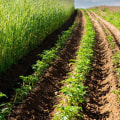
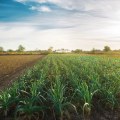
The landscape of agriculture is undergoing a profound transformation as we grapple with the challenges posed by climate change, population growth, and resource depletion. At the forefront of this evolution is sustainable farmingsustainable farming , a practice that emphasizes the need to cultivate crops and raise livestock in ways that are environmentally friendly, economically viable, and socially responsible. This approach not only seeks to meet the food demands of today but also ensures that future generations can thrive without compromising the health of our planet.One critical aspect of sustainable farming is subsistence farming , which serves as a lifeline for millions of people worldwide. This method focuses on producing enough food to meet the needs of the farmer's family, often relying on traditional techniques and local resources.
Unlike industrial agriculture, which prioritizes high yields and profit margins, subsistence farming fosters a deep connection between communities and their land. It encourages biodiversity, preserves local ecosystems, and promotes food sovereignty, allowing communities to maintain control over their food sources.As we look toward the future of agriculture, it becomes increasingly clear that integrating sustainable practices with subsistence farming can lead to resilient food systems. By harnessing indigenous knowledge and modern sustainable techniques, farmers can enhance productivity while minimizing environmental impact. This synergy not only addresses immediate food security concerns but also contributes to long-term ecological balance. Unlike industrial agriculture, which prioritizes high yields and profit margins, subsistence farming fosters a deep connection between communities and their land. It encourages biodiversity, preserves local ecosystems, and promotes food sovereignty, allowing communities to maintain control over their food sources.As we look toward the future of agriculture, it becomes increasingly clear that integrating sustainable practices with subsistence farming can lead to resilient food systems. By harnessing indigenous knowledge and modern sustainable techniques, farmers can enhance productivity while minimizing environmental impact. This synergy not only addresses immediate food security concerns but also contributes to long-term ecological balance.
The importance of these practices cannot be overstated; they represent a pathway toward a more equitable and sustainable agricultural future.
Understanding Subsistence Farming
Subsistence farming
is a traditional agricultural practice where farmers grow food primarily for their own consumption rather than for sale in the market. This method of farming is often characterized by small-scale operations, where families cultivate crops and raise livestock to meet their daily needs. The primary goal of subsistence farming is to ensure food security for the household, making it a vital component of many rural economies around the world.There are several types of subsistence farming , each adapted to the specific environmental and cultural contexts of the regions where they are practiced:
- Shifting Cultivation: Also known as slash-and-burn agriculture, this method involves clearing a piece of land, cultivating it for a few years, and then moving on to another area once soil fertility declines.
- Intensive Subsistence Farming: This type focuses on maximizing yields from small plots of land through careful management and the use of labor-intensive techniques. It often includes multiple cropping cycles within a year.
- Pastoralism: Involves raising livestock for food, clothing, and other products.
Pastoralists often migrate with their herds to find fresh pastures.
- Mixed Farming: Combines crop cultivation with livestock rearing, allowing families to diversify their food sources and income.
This practice also promotes biodiversity as farmers tend to cultivate a variety of crops suited to their local environment, which can lead to healthier ecosystems.In conclusion, while subsistence farming may not be as commercially lucrative as industrial agriculture, its significance in ensuring food security, supporting local economies, and promoting sustainable practices cannot be overstated. As we look towards the future of agriculture, recognizing and valuing these traditional methods will be essential in creating a more sustainable and equitable food system.
The Role of Sustainable Practices in Subsistence Farming
Subsistence farming, which focuses on producing enough food for the farmer's family with little surplus for sale, can greatly benefit from the integration of sustainable practices. These methods not only enhance productivity but also ensure the long-term viability of farming systems while protecting the environment.One of the most effective sustainable practices in subsistence farming is organic farming. This approach avoids synthetic fertilizers and pesticides, relying instead on natural inputs to maintain soil health and manage pests.By using organic compost, crop rotation, and cover crops, farmers can improve soil fertility and structure, leading to healthier plants and higher yields. Additionally, organic farming promotes biodiversity, which is crucial for pest control and pollination.Another valuable method is permaculture , a design philosophy that mimics natural ecosystems to create sustainable agricultural systems. Permaculture emphasizes the interconnection of plants, animals, and humans within a given environment. For subsistence farmers, implementing permaculture principles can lead to:
- Increased resilience: By diversifying crops and integrating livestock, farmers can create a more resilient system that withstands environmental stresses.
- Water conservation: Techniques such as swales and rainwater harvesting help manage water resources efficiently, reducing dependency on external water sources.
- Soil regeneration: Practices like mulching and no-till farming enhance soil health by preventing erosion and promoting microbial activity.
By focusing on local resources and traditional knowledge, farmers can cultivate crops that are well-suited to their specific environments. This not only reduces reliance on imported seeds and fertilizers but also fosters community resilience against climate change.In conclusion, integrating sustainable practices such as organic farming and permaculture into subsistence farming is essential for enhancing productivity while safeguarding the environment. These methods empower farmers to create self-sufficient systems that support their families and communities for generations to come.
Environmental Impact of Subsistence Farming
Subsistence farming, characterized by small-scale agricultural practices aimed at meeting the needs of the farmer's family rather than for commercial sale, has significant environmental implications. While it can promote local food security, it also poses challenges to biodiversity and soil health.One of the primary environmental impacts of subsistence farming is its effect on biodiversity.Traditional subsistence farming often relies on a limited variety of crops, which can lead to a decrease in genetic diversity. This reduction makes ecosystems more vulnerable to pests and diseases, as monocultures lack the resilience found in diverse agricultural systems. In contrast, sustainable practices that encourage crop rotation and polyculture can enhance biodiversity by creating habitats for various species and promoting a balanced ecosystem.Moreover, subsistence farming practices can contribute to soil degradation. The continuous cultivation of the same crops without adequate soil management can lead to nutrient depletion and erosion.
Farmers may resort to slash-and-burn techniques, which not only destroy existing vegetation but also release carbon stored in trees, contributing to climate change. To combat these issues, implementing sustainable practices such as cover cropping, agroforestry, and organic fertilization can significantly improve soil health. These methods help maintain soil structure, enhance nutrient content, and prevent erosion.Additionally, the use of chemical fertilizers and pesticides in some subsistence farming systems can lead to water pollution and harm local wildlife. By adopting organic farming methods and utilizing natural pest control strategies, farmers can reduce their reliance on harmful chemicals while promoting a healthier ecosystem.In conclusion, while subsistence farming plays a vital role in food security for many communities, its environmental impacts cannot be overlooked.
By integrating sustainable practices into subsistence farming, we can mitigate negative effects on biodiversity and soil health, ensuring that these vital resources are preserved for future generations.
Economic Benefits of Sustainable Subsistence Farming
Sustainable subsistence farming offers a multitude of economic benefits that can significantly enhance local communities. By focusing on practices that prioritize environmental health and community well-being, these farming methods not only provide food security but also foster economic resilience.One of the primary advantages of sustainable subsistence farming is its ability to strengthen local economies. When communities engage in subsistence farming, they reduce their reliance on external food sources and large-scale agricultural systems. This shift allows for the circulation of money within the community, as farmers sell their produce at local markets, keeping profits close to home.This localized economy can lead to:
- Job Creation: Sustainable farming practices often require more labor than industrial agriculture, leading to increased employment opportunities within the community.
- Support for Local Businesses: As farmers sell their goods locally, they create demand for other local services and products, such as tools, seeds, and organic fertilizers.
- Increased Food Sovereignty: By producing their own food, communities gain control over their food sources, which enhances their ability to make decisions that reflect their cultural and nutritional needs.
- Preserve Biodiversity: Sustainable practices often involve growing a variety of crops, which helps maintain genetic diversity and resilience against pests and diseases.
- Enhance Nutritional Security: By cultivating diverse crops, communities can improve their diets and reduce reliance on processed foods.
- Mitigate Market Fluctuations: Sustainable subsistence farming provides a buffer against volatile market prices. When communities grow their own food, they are less affected by global market trends and price hikes.
By fostering local economies and enhancing food sovereignty, these practices create resilient communities capable of thriving in an ever-changing economic landscape.
Challenges Facing Subsistence Farmers Today
Subsistence farmers, who primarily grow food for their own consumption rather than for sale, face a myriad of challenges that threaten their livelihoods and food security. These challenges are exacerbated by external factors such as climate change and limited access to essential resources.Climate Change Impact
One of the most pressing issues is the impact of climate change. Erratic weather patterns, including prolonged droughts and intense rainfall, disrupt traditional farming practices. For instance, subsistence farmers often rely on predictable seasonal cycles to plant and harvest their crops.
However, with climate change altering these patterns, many farmers find it increasingly difficult to determine the optimal times for planting and harvesting. This unpredictability can lead to crop failures, which directly affect food availability and nutritional security.Moreover, rising temperatures can lead to increased pest populations and the spread of diseases that threaten crops and livestock. Subsistence farmers typically lack the resources to invest in advanced pest management strategies or resilient crop varieties, making them particularly vulnerable to these changes.
Access to Resources
Another significant challenge is the limited access to resources such as water, seeds, and agricultural technology. Many subsistence farmers operate in regions where water scarcity is a critical issue.
Without reliable access to irrigation or clean water sources, their ability to cultivate crops diminishes significantly. This scarcity is often compounded by competition from larger agricultural enterprises that may divert water resources for commercial use.Additionally, subsistence farmers frequently struggle with obtaining quality seeds and fertilizers. The lack of financial resources prevents them from purchasing improved seed varieties that could enhance yield and resilience against pests and diseases. Furthermore, limited access to agricultural education means that many farmers are unaware of sustainable practices that could improve their productivity.
Potential Solutions
Addressing these challenges requires a multifaceted approach.
Governments and NGOs can play a crucial role by providing training programs that educate subsistence farmers about sustainable farming techniques and climate adaptation strategies. Additionally, improving infrastructure for water management can help ensure that farmers have reliable access to this vital resource.Furthermore, initiatives aimed at increasing access to quality seeds and fertilizers can empower subsistence farmers to enhance their productivity. By fostering community cooperatives, farmers can pool resources and share knowledge, creating a more resilient agricultural system.In conclusion, while subsistence farmers face significant challenges today, targeted interventions can help mitigate these issues and promote sustainable farming practices that ensure food security for future generations.
Technological Innovations Supporting Sustainable Subsistence Farming
In the realm of sustainable subsistence farming, technological innovations play a pivotal role in enhancing productivity while minimizing environmental impact. These advancements not only support farmers in their daily operations but also contribute to the long-term viability of agricultural practices.One of the most significant developments in this area is precision agriculture.This approach utilizes data-driven techniques to optimize field-level management regarding crop farming. By employing technologies such as GPS, IoT sensors, and data analytics, farmers can monitor and manage their crops with unprecedented accuracy. For instance, soil moisture sensors can provide real-time data on soil conditions, allowing farmers to apply water only when necessary, thus conserving this vital resource.Moreover, precision agriculture enables farmers to tailor their inputs—such as fertilizers and pesticides—to specific areas of their fields. This targeted application reduces waste and minimizes the negative effects on the surrounding ecosystem.
By using drones equipped with imaging technology, farmers can assess crop health from above, identifying areas that require attention without the need for extensive manual labor.Another innovative technology making waves in sustainable farming is remote sensing. This technique involves collecting data from satellites or aerial imagery to monitor crop health, soil conditions, and even pest infestations. Remote sensing allows for a broader analysis of agricultural landscapes, enabling farmers to make informed decisions based on comprehensive data rather than guesswork.Additionally, advancements in agricultural biotechnology are also contributing to sustainable practices. Genetically modified organisms (GMOs) can be engineered to resist pests or tolerate harsh environmental conditions, reducing the need for chemical interventions.
This not only helps in maintaining soil health but also supports biodiversity by minimizing the disruption caused by traditional farming methods.Furthermore, mobile applications designed for farmers are becoming increasingly popular. These apps provide access to weather forecasts, market prices, and best practices for sustainable farming techniques. By empowering farmers with information at their fingertips, these tools facilitate better decision-making and enhance productivity.In conclusion, the integration of technology into subsistence farming is essential for promoting sustainability. As these innovations continue to evolve, they offer promising solutions that not only improve agricultural efficiency but also protect our planet's resources for future generations.
Case Studies: Successful Examples of Sustainable Subsistence Farming
Across the globe, numerous examples of successful sustainable subsistence farming illustrate how communities can thrive while respecting the environment.These case studies not only highlight effective practices but also provide valuable lessons for future agricultural endeavors.One notable example is the Milpa system practiced by indigenous communities in Mexico. This ancient method involves rotating crops such as maize, beans, and squash in a way that enhances soil fertility and biodiversity. By planting these three crops together, farmers benefit from the natural nitrogen-fixing properties of beans, which enrich the soil for maize and squash. This practice not only sustains the local ecosystem but also ensures food security for families.In Africa, the Farming God's Way initiative has transformed subsistence farming in countries like Zimbabwe.
This method emphasizes minimal tillage, organic fertilizers, and crop rotation to improve soil health and increase yields. Farmers participating in this program have reported significant increases in their harvests, allowing them to feed their families and sell surplus produce at local markets. The success of this initiative demonstrates how sustainable practices can lead to economic empowerment.Another inspiring case is found in Peru , where smallholder farmers are utilizing agroforestry techniques to enhance their livelihoods. By integrating trees with crops, these farmers create a more resilient agricultural system that provides shade, improves soil quality, and offers additional sources of income through timber and fruit production.
This approach not only supports biodiversity but also helps combat climate change by sequestering carbon.These examples underscore the importance of community involvement and knowledge sharing in sustainable subsistence farming. By learning from one another and adapting successful practices to local contexts, farmers can create systems that are both productive and environmentally friendly. As we look to the future of agriculture, these case studies serve as a reminder that sustainability is achievable through innovation, tradition, and collaboration.
Future Trends in Sustainable Agriculture and Subsistence Farming
The landscape of agriculture is evolving rapidly, and with it, the practices of subsistence farming are also undergoing significant transformations. As we look to the future, several key trends in sustainable agriculture are emerging that will likely shape the way subsistence farmers operate and thrive.1.Shifts in Consumer Preferences
Today's consumers are increasingly aware of the environmental impact of their food choices.
There is a growing demand for organic, locally sourced, and sustainably produced food. This trend is particularly relevant for subsistence farmers who often rely on local markets to sell their produce. By adopting sustainable practices, such as organic farming methods and agroecology, these farmers can meet consumer demands while enhancing their marketability.
2.Technological Advancements
Technology is playing a pivotal role in the future of sustainable agriculture. Innovations such as precision farming, which utilizes data analytics and remote sensing, allow farmers to optimize resource use and increase crop yields.
For subsistence farmers, access to affordable technology can lead to improved efficiency and productivity. Mobile applications that provide weather forecasts, pest management advice, and market prices can empower these farmers to make informed decisions.
3.Policy Changes and Support
Government policies are increasingly favoring sustainable agricultural practices. Subsidies for organic farming, grants for renewable energy projects, and support for local food systems are becoming more common. These policy shifts can provide subsistence farmers with the financial assistance they need to transition to more sustainable methods.
Additionally, community-supported agriculture (CSA) initiatives can help connect subsistence farmers directly with consumers, ensuring a stable income.
4.Climate Resilience
As climate change continues to pose challenges to traditional farming methods, subsistence farmers must adapt to ensure food security. Sustainable practices such as crop rotation, intercropping, and agroforestry can enhance soil health and resilience against extreme weather events. By focusing on sustainability, these farmers can not only protect their livelihoods but also contribute positively to the environment.
5.Education and Community Engagement
Education plays a crucial role in the future of sustainable agriculture. Training programs that focus on sustainable practices can empower subsistence farmers with the knowledge they need to implement effective strategies.
Furthermore, community engagement initiatives can foster collaboration among farmers, leading to shared resources and collective problem-solving.In conclusion, the future of subsistence farming is intertwined with the trends in sustainable agriculture. By embracing consumer preferences for sustainability, leveraging technology, adapting to policy changes, building climate resilience, and prioritizing education, subsistence farmers can secure their place in a rapidly changing agricultural landscape.
Conclusion: The Path Forward for Sustainable Subsistence Farming
As we look towards the future of agriculture, it is clear that sustainable subsistence farming plays a pivotal role in ensuring food security and environmental health. Throughout this discussion, we have explored the multifaceted benefits of adopting sustainable practices within subsistence farming systems, which are often the backbone of rural communities worldwide.One of the most significant takeaways is the necessity of integrating environmentally friendly techniques into traditional farming methods. By doing so, farmers can enhance soil fertility, conserve water, and reduce reliance on harmful chemicals.This not only leads to healthier crops but also promotes biodiversity, which is essential for resilient ecosystems.Moreover, the importance of education and community engagement cannot be overstated. Empowering farmers with knowledge about sustainable practices fosters a culture of innovation and adaptation. Workshops, training programs, and access to resources can help subsistence farmers implement techniques such as crop rotation, agroforestry, and organic pest management.Additionally, the role of technology in sustainable subsistence farming is becoming increasingly vital. Tools such as precision agriculture and remote sensing can provide farmers with valuable data to make informed decisions about resource management.
These technologies can help optimize yields while minimizing environmental impact.In conclusion, the path forward for sustainable subsistence farming lies in a collective effort to embrace change. By prioritizing sustainability, we can create agricultural systems that not only meet the needs of today but also safeguard resources for future generations. It is imperative that policymakers, agricultural organizations, and communities work together to support these initiatives. Only through collaboration can we ensure a resilient agricultural future that honors both our planet and its people.